

Russia extends diesel export ban through October as fuel shortages persist
 Read NV on Google
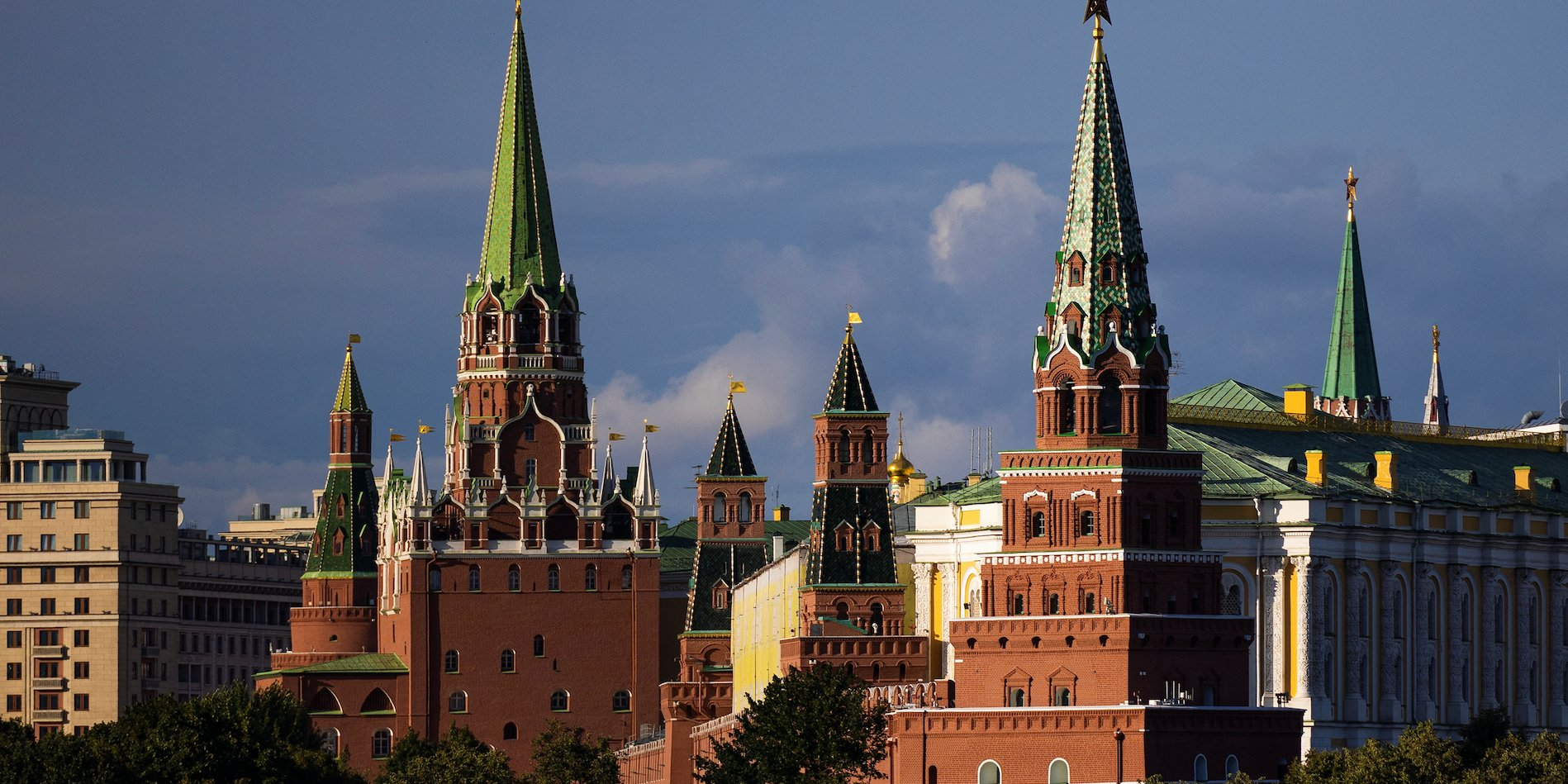
The Russian government decided to extend the ban on diesel exports. (Photo: REUTERS/Maxim Shemetov)
The Russian government has decided to extend its ban on
diesel exports by domestic producers for another month, through the end of
October. Russian newspaper Vedomosti reported the decision, citing sources
familiar with the outcome of a Sept. 14 meeting chaired by Russian Deputy Prime
Minister Alexander Novak.
The current ban on diesel exports is due to expire at the
end of September. One source said the embargo would be extended to ensure
supplies to the domestic fuel market.
The Russian government introduced a temporary ban on diesel
exports in late September 2025. It initially applied to companies that do not
produce diesel, meaning traders, as well as refineries with annual production
of up to 1 million metric tons.
In early July 2026, the Russian government extended the
embargo to all fuel producers.
Diesel exports under international agreements and
humanitarian shipments are exempt.
Russia also has a similar ban on gasoline exports in place
through Jan. 31, 2027.
Russia imposed
restrictions on exports of gasoline, aviation fuel and diesel because of
domestic fuel shortages caused in part by Ukrainian strikes on oil refineries.

Reuters calculations based on data from fuel market
participants show that three of Russia’s six largest diesel-producing
refineries were forced to sharply reduce output or halt production entirely in
September because of damage from drone attacks.
U.S. President Donald Trump drew attention to Russia’s fuel
shortage on Sept. 13, when he called on Ukrainian President Volodymyr Zelenskyy
to stop strikes on Russian diesel-related infrastructure, saying the attacks
were causing shortages that “hurt the world.”
On Sept. 14, Trump also said Ukraine and Russia had agreed
not to strike each other’s energy infrastructure. Both countries, however,
continued attacking the other side’s energy facilities, Reuters reported.
The Financial Times reported that Trump was
seeking to show Americans frustrated by high fuel prices that he was trying
to bring them down by announcing an energy ceasefire between Russia and
Ukraine.
On Sept. 13, Trump criticized Zelenskyy over Ukrainian drone
strikes on Russian oil refineries and appeared to blame Kyiv for rising global
diesel prices, the newspaper reported.
The Kremlin said on Sept. 14 that it welcomed
the U.S. president’s remarks.
The diesel situation has become a political problem for
Trump: infrastructure damage caused by his war with Iran and Russia’s war
against Ukraine has reduced supplies and led to an unprecedented rise in U.S.
prices, the FT reported.
However, the KSE Institute estimates that the U.S. war with
Iran has had a significantly greater impact on global diesel and gasoil
supplies than Ukrainian drone attacks on Russian refineries.
Analysts calculated that from March through August, diesel
and gasoil exports from Persian Gulf countries fell by 152 million barrels,
compared with a 68 million-barrel decline in Russian exports. Lost supplies
from the Persian Gulf were therefore about 2.2 times greater.
The military war may be swinging in our favor, but the information war continues.
Just as an army needs soldiers, so does a free society need its journalists to ensure that people have access to honest, trustworthy voices to understand the world around them.
For the past five years, The New Voice of Ukraine has been working tirelessly to push back against Russian narratives and defend democracy. But we cannot do it alone.
Please consider supporting us on Patreon for just $5 a month – your donation does directly to supporting journalists and ensuring that this front of the infowar says solid and defended.
Thank you.
Follow us on Twitter, Facebook and Google News
