

EU divided over Ukraine’s refusal to allow inspection of Druzhba oil pipeline
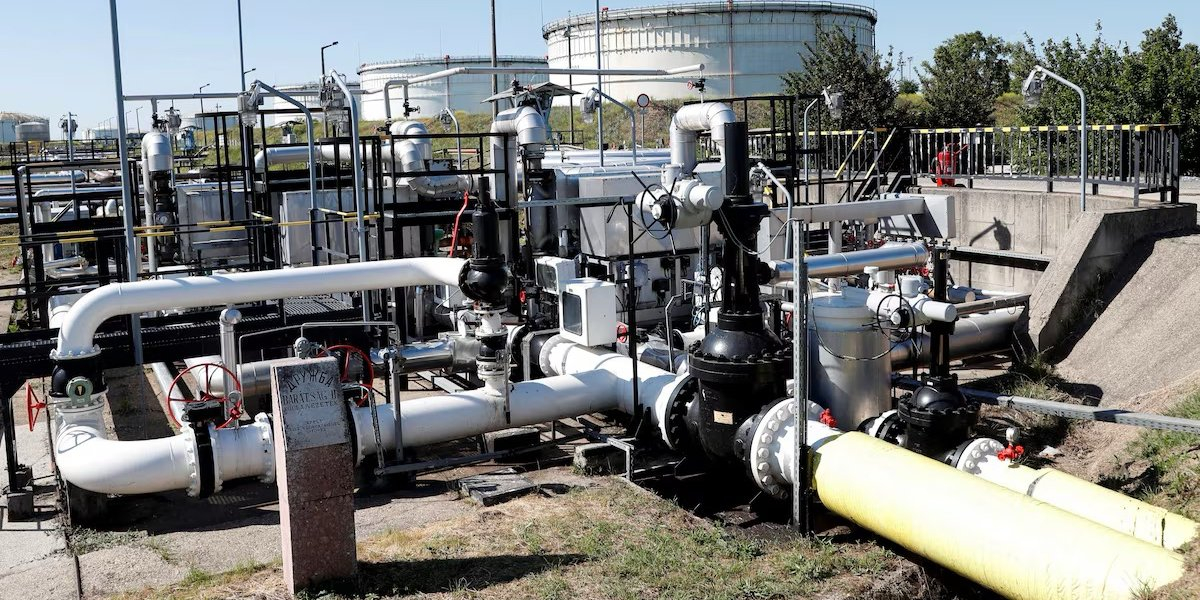
The EU does not understand Kyiv's position on the inspection of the Druzhba oil pipeline (Photo: REUTERS/Bernadett Szabo)
Ukraine’s refusal to permit European specialists to inspect the Druzhba oil pipeline, through which Russian oil flows to Hungary and Slovakia, has created tension with the EU and deepened divisions within the bloc, Euractiv reported on March 31.
Some diplomats describe Ukraine’s position as “not smart,” “an enigma,” and “unclear.”
“We don’t have a clear picture of what the Ukrainian play here is,” said one EU diplomat.
According to information obtained by Euractiv, a group of EU experts coordinated by the European Commission has been in Ukraine for several weeks waiting for permission to visit the site of the latest strike on the pipeline. Kyiv has not yet granted that permission.
One diplomat believes that resolving the Druzhba situation would benefit all sides.
“The EU wants to adopt another sanctions package and put pressure on Russia, Ukraine needs the loan, Hungary and Slovakia are critically dependent on the flows of oil and are running on reserves or setting double prices,” the diplomat said.
“The only way out of this stalemate is to check the situation on the ground and see what the truth is there.”
Some diplomats show understanding for Ukraine’s position, noting that in wartime it is difficult to expect the country to be willing to repair an asset that brings profit to the aggressor state.
They called the situation “absurd,” while another interlocutor stressed that this concerns “a country that is at war.”
“We in the EU are moving away from Russian gas and oil. It is doable to have alternatives. Everything around Druzhba should be seen in that context,” another diplomat said.
On March 18, an EU official told public broadcaster Suspilne that a group of experts from various EU countries had arrived in Ukraine to assess damage to the Druzhba pipeline after a Russian attack.
The same day, Ukrainian Foreign Ministry spokesman Heorhii Tikhyi stated that Ukraine’s SBU Security Service handles decisions on access to strategic facilities.
On March 23, European Pravda reported that foreign experts who arrived in Ukraine on March 18 to inspect the Druzhba pipeline were still waiting in Kyiv for the necessary permission.
On Feb. 12, Ukrainian Foreign Minister Andrii Sybiha said Russian oil supplies through the Druzhba pipeline had been halted since Jan. 27 due to a major fire and serious equipment damage caused by a Russian attack.
Hungary and Slovakia have not recognized the damage and claim Ukraine stopped supplies for political reasons.
On March 11, a group of Hungarian officials arrived in Ukraine to clarify the “real state” of the Druzhba pipeline. Ukraine’s Foreign Ministry noted that the officials had no special status and entered under standard Schengen zone rules.
Ultimately, the head of the delegation — Hungarian State Secretary for Energy Gábor Czepek — said they never received access to the pipeline. However, Hungarian Prime Minister Viktor Orbán claimed the officials had managed to “make the Ukrainians move.”
On March 14, Naftogaz CEO Sergii Koretskyi and representatives of Ukraine’s Foreign Ministry held a briefing for foreign diplomatic missions on the consequences of Russian attacks on Druzhba pipeline infrastructure.
The military war may be swinging in our favor, but the information war continues.
Just as an army needs soldiers, so does a free society need its journalists to ensure that people have access to honest, trustworthy voices to understand the world around them.
For the past five years, The New Voice of Ukraine has been working tirelessly to push back against Russian narratives and defend democracy. But we cannot do it alone.
Please consider supporting us on Patreon for just $5 a month – your donation does directly to supporting journalists and ensuring that this front of the infowar says solid and defended.
Thank you.
Follow us on Twitter, Facebook and Google News
