

Graham sanctions bill ends two-year lull in congressional aid to Ukraine
 Read NV on Google
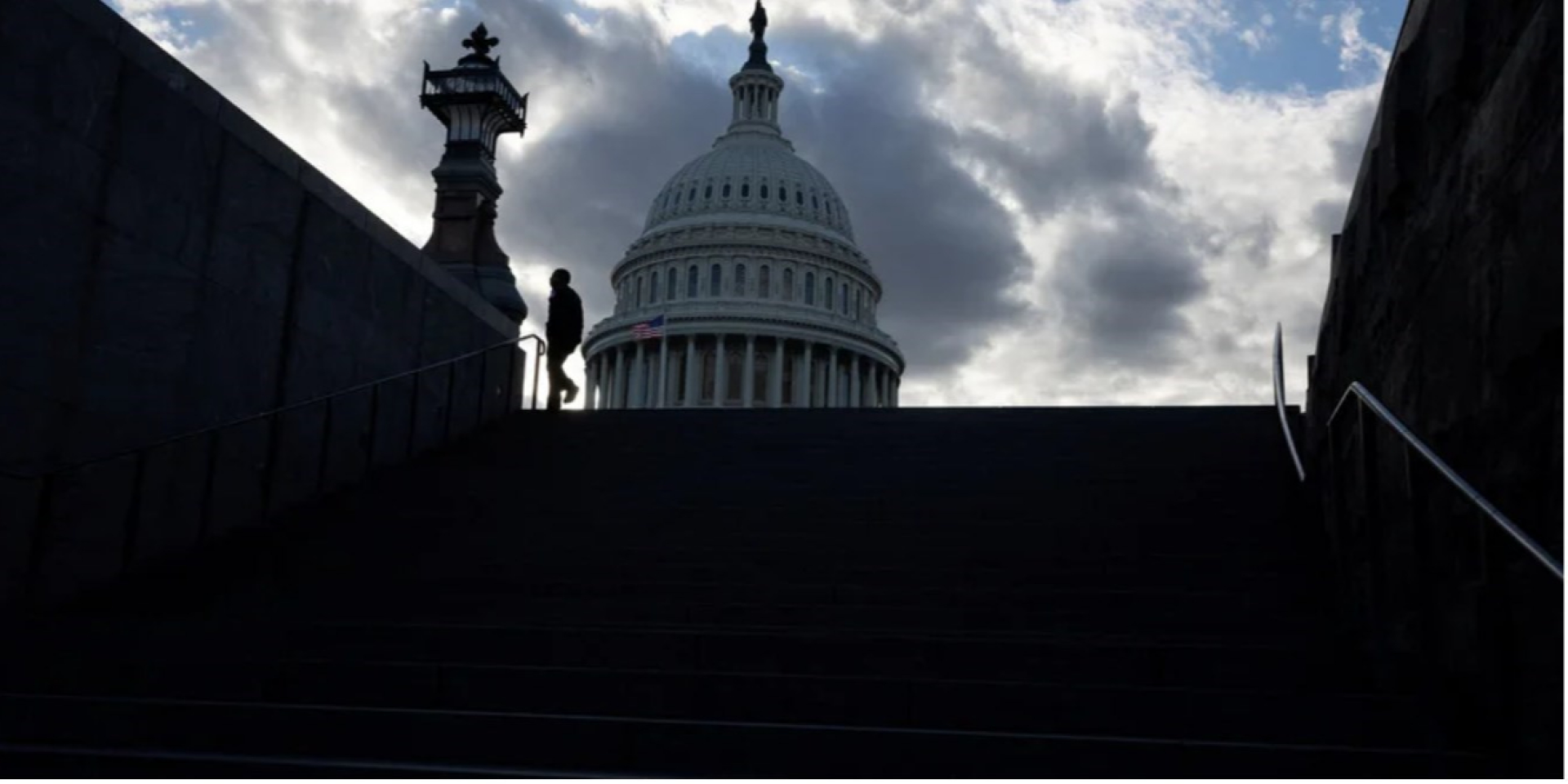
U.S. Capitol (Photo: REUTERS/Tom Brenner)
The late Sen. Lindsey Graham’s bill imposing sweeping
sanctions on Russia, which the U.S. House of Representatives passed on
Sept. 16, ended a nearly two-year lull in congressional assistance to Ukraine, Politico
reported.
The vote ended a nearly two-year period in which Congress
had passed no major Ukraine measures since approving an emergency aid package
in 2024, the outlet reported.
The bill faced a number of obstacles on its way to the
president’s desk, including significant opposition from some House Democrats
who argued that it would give the White House too much power to impose tariffs.
After clearing those obstacles, the legislation is all but
guaranteed to be signed by President Donald Trump, Politico reported.

The bill mandates sanctions on Russia’s leadership and
energy sector, as well as new sanctions on those working with Moscow’s defense
industry and shadow fleet.
It also includes a 100% tariff on top buyers of Russian
energy.
Supporters of the bill, including Ukrainian President
Volodymyr Zelenskyy, argued that it would give the White House the tools needed
to squeeze Russia economically by curbing the flow of funds to Moscow’s war
machine.
Opponents, however, warned that the tariff provision would
give Trump another cudgel to use not only against U.S. adversaries but also
against allies.
Rep. Gregory Meeks, D-N.Y., argued that the tariffs would
worsen the economic pain already felt by ordinary Americans and that without a
security assistance package or more air defense, they would not do enough to
provide concrete support to Ukraine.
House Minority Leader Hakeem Jeffries said he opposed the
bill because its language does not require the president to impose sanctions on
Russia.
Instead, Jeffries said, the legislation contains so many
loopholes that “it’s very unlikely that the sanctions relief contemplated in
the legislation will ever see the light of day.”
The disagreement deepened divisions among House Democrats.
Fifty-eight Democrats broke with Jeffries and voted for the bill.
The Graham-Blumenthal Russia sanctions bill
In early April 2025, a bill
proposing new sanctions against Russia was introduced in the U.S. Senate.
It called for a 500% tariff on imports from countries that continued to buy
Russian oil and other raw materials. The bill was co-authored by Sens. Lindsey
Graham, a Republican, and Richard Blumenthal, a Democrat.
On July 10, 2026, Graham said at a news conference during a
visit to Kyiv that he had reached an agreement with the White House on a new
version of the Russia sanctions bill.
On July 28, the U.S. Senate held its first procedural vote
on legislation imposing new sanctions on Russia and Iran. Eighty-six senators
supported the measure.
On Aug. 7, an overwhelming majority of the U.S. Senate
approved the sweeping sanctions bill targeting Russia and Iran, with 86
senators voting in favor and 11 against.
On Sept. 16, the House
gave final approval to the bill tightening sanctions on Russia. The measure
passed 262–159.
The military war may be swinging in our favor, but the information war continues.
Just as an army needs soldiers, so does a free society need its journalists to ensure that people have access to honest, trustworthy voices to understand the world around them.
For the past five years, The New Voice of Ukraine has been working tirelessly to push back against Russian narratives and defend democracy. But we cannot do it alone.
Please consider supporting us on Patreon for just $5 a month – your donation does directly to supporting journalists and ensuring that this front of the infowar says solid and defended.
Thank you.
Follow us on Twitter, Facebook and Google News
