

How Ukraine’s metallurgy can help equip the military
 Read NV on Google
After consulting with some of Ukraine’s largest metallurgical companies, NV has identified out eight promising projects that could significantly improve protective combat gear of Ukrainian soldiers and equipment.
Body armor and bulletproof helmets
Designed for individual protection of military personnel in combat. As part of the Steel Front initiative, the SCM Group manufactures plates for body armor from their own brand of steel, with the physical and mechanical characteristics of the product ensuring 4th class of ballistic resistance (protection against small shrapnel fragments and bullets). Other manufacturers offer bulletproof helmets that protect against blast waves and small fragments, as well as small arms bullets.
In general, the need for such gear is estimated at hundreds of thousands of units.
Mine rollers

Designed for neutralizing and blowing up anti-tank and anti-personnel mines. These are paired six-ton rollers that are attached to Soviet tanks (T-64, T-72, T-80, T-90) or (when modified) to Western equipment. According to the standards of the Armed Forces of Ukraine, one roller must withstand up to five anti-tank mine explosions. Since they work in pairs, both must withstand up to 10 blasts.
The Armed Forces of Ukraine need about 400-500 mine rollers.
Anti-drone netting
Engineering structures sheltering and protecting military equipment from enemy drone attacks. They consist of a steel frame and a camouflaged metal gauze stretched over it. The entire structure weighs about one ton. They are easy to move and maintain, providing effective camouflage.
The Ukrainian army needs hundreds of such units.
Protective screens
Armored shields capable of protecting machine gunners and turret operators from being hit by enemy small arms fire and shrapnel. The shield is installed on a swivel rack on a vehicle’s body.
The demand is thousands of units, since most armored vehicles arrive to Ukraine without such protective screens.
Light buggies
Small off-road vehicles with open wheels. They are fast, maneuverable, and easily camouflaged. Indispensable for reconnaissance, hit-and-run raids, and evacuating wounded troops. Metallurgical companies manufacture frames on which volunteers then mount engines, steering, and wheels.
The demand is hundreds of units.
Steel shelters
Metal mobile shelters, used for protection and field housing. These are prefabricated structures 2 m in diameter and 6 m long, designed for six people. The hideout is equipped with weapon racks and a field stove. If installed correctly, it can withstand 152mm artillery fire. The makeshift bunkers can be deployed or moved to another location in a matter of hours.
The army needs thousands of such units.
Underground command posts
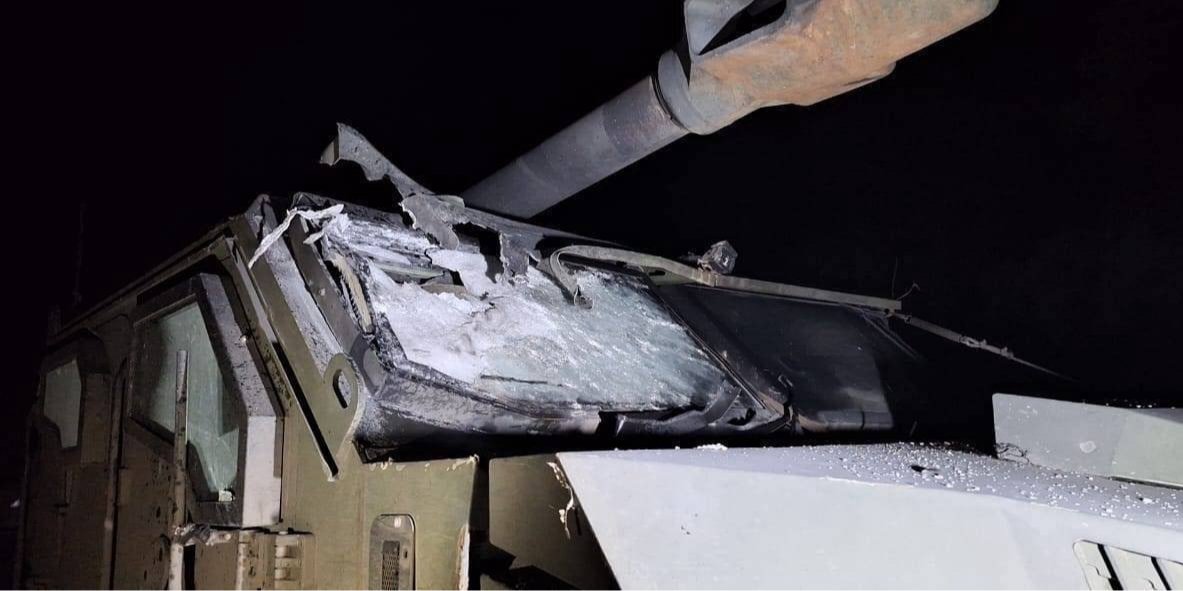
They have the same advantages as hideouts. They protect commanders and senior officers on the front line from artillery fire. A typical facility, designed for 30 people, consists of 5-6 interconnected prefabricated rooms that serve as command posts and living quarters.
The demand is hundreds of units.
Underground field hospitals and drone control points
A field hospital can be equipped with the necessary medical equipment and quickly deployed near the front line as a ready-made, protected stabilization point. The same applies to drone control rooms, shielding UAV operators from enemy artillery fire.
The military war may be swinging in our favor, but the information war continues.
Just as an army needs soldiers, so does a free society need its journalists to ensure that people have access to honest, trustworthy voices to understand the world around them.
For the past five years, The New Voice of Ukraine has been working tirelessly to push back against Russian narratives and defend democracy. But we cannot do it alone.
Please consider supporting us on Patreon for just $5 a month – your donation does directly to supporting journalists and ensuring that this front of the infowar says solid and defended.
Thank you.
Follow us on Twitter, Facebook and Google News
