

Nepal flood death toll tops 900; 56 Ukrainians among thousands missing
 Read NV on Google
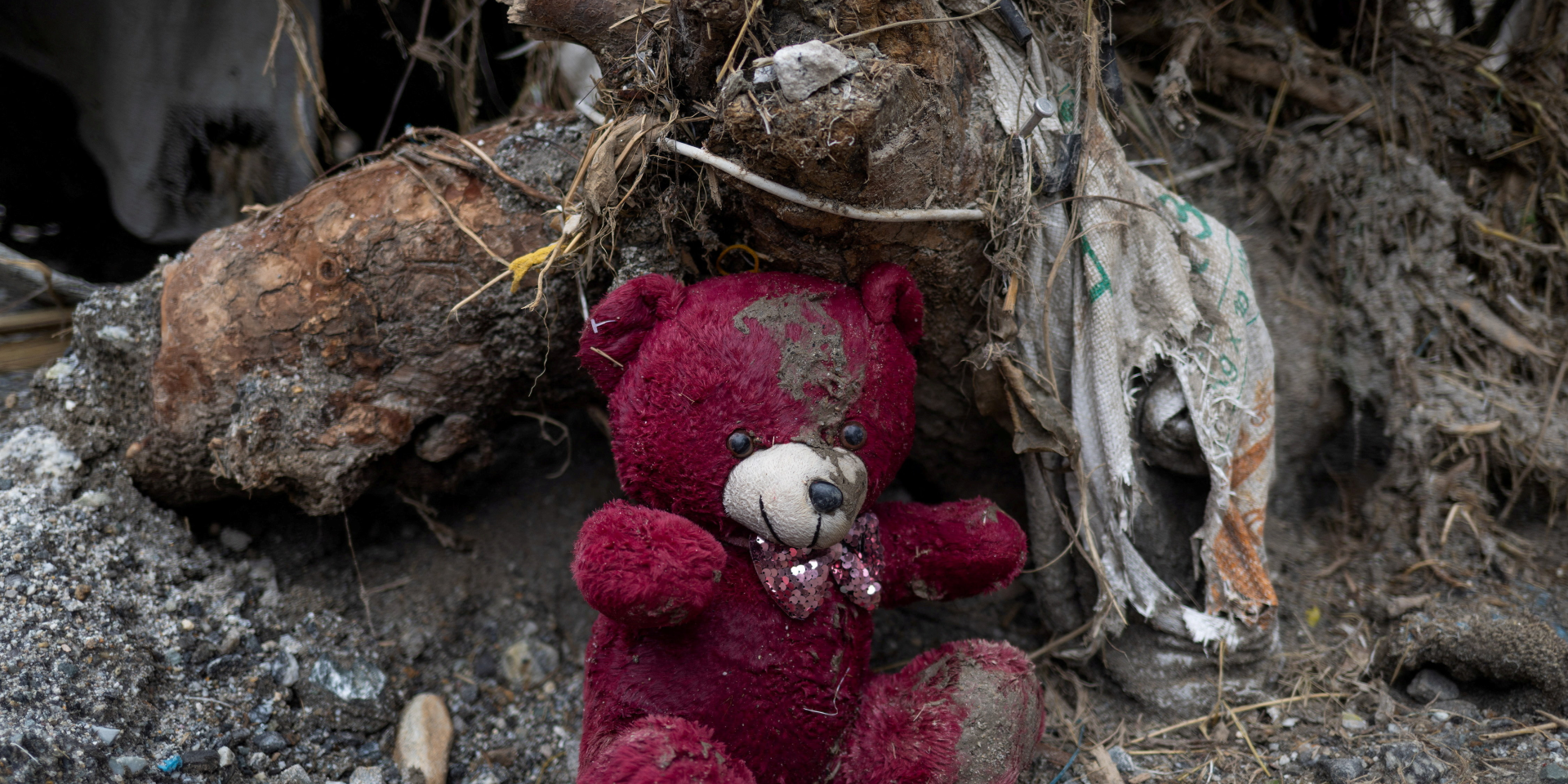
A toy amid debris and mud near a damaged house after flooding in Nuwakot district, Nepal, on Aug. 30, 2026. (Photo: REUTERS/Adnan Abidi)
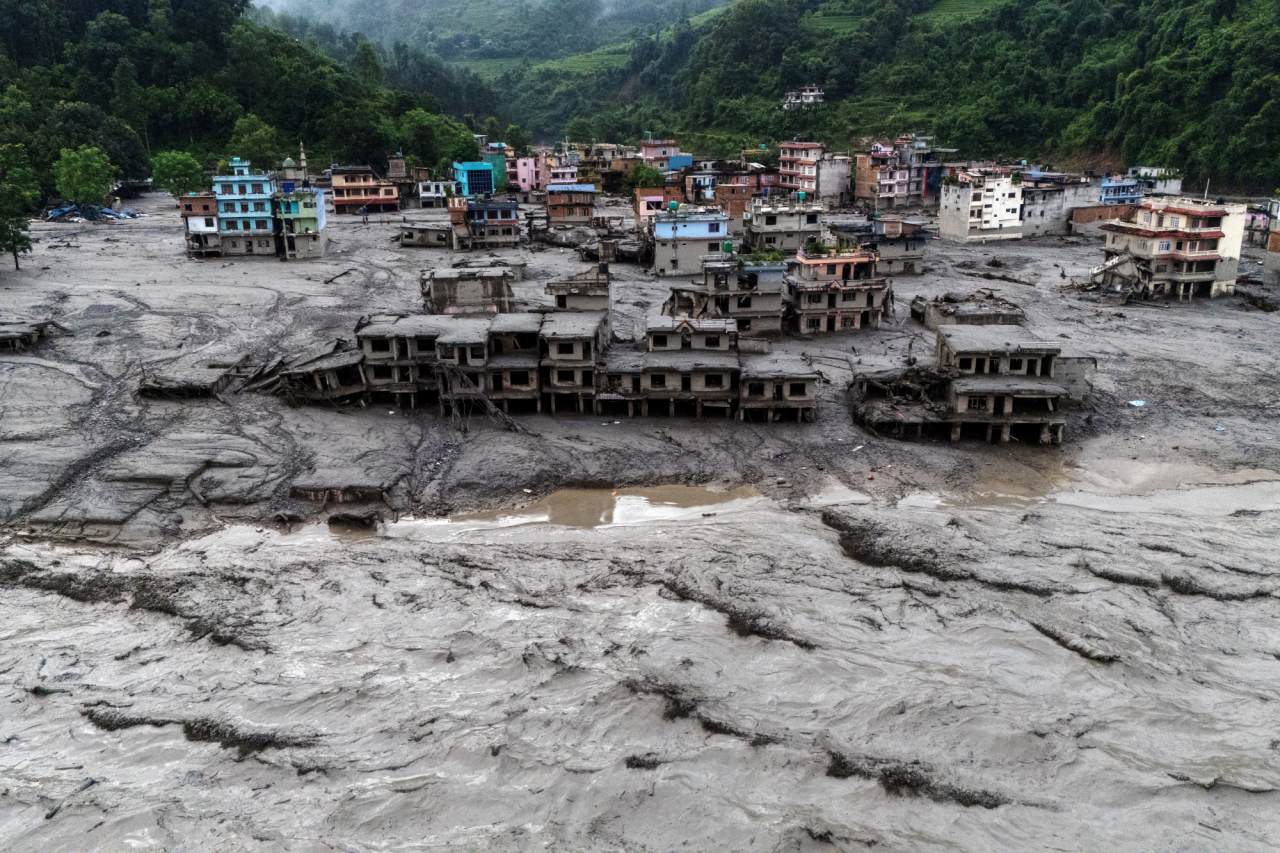
The death toll in Nepal from flash
flooding that swept across the country and neighboring Tibet last week has
risen to 903, with 4,247 people missing. The
Associated Press reported the figures on Aug. 31, citing Nepal’s disaster
management agency.
Among those missing are 592 foreigners, including 56
Ukrainians, according to Ukraine’s Foreign Ministry. They were traveling in
several tourist groups when the disaster struck.
In Tibet, Chinese authorities reported 16 deaths and 546
people missing. Chinese state media said 261 of those missing were foreigners,
including more than 100 Nepalis.
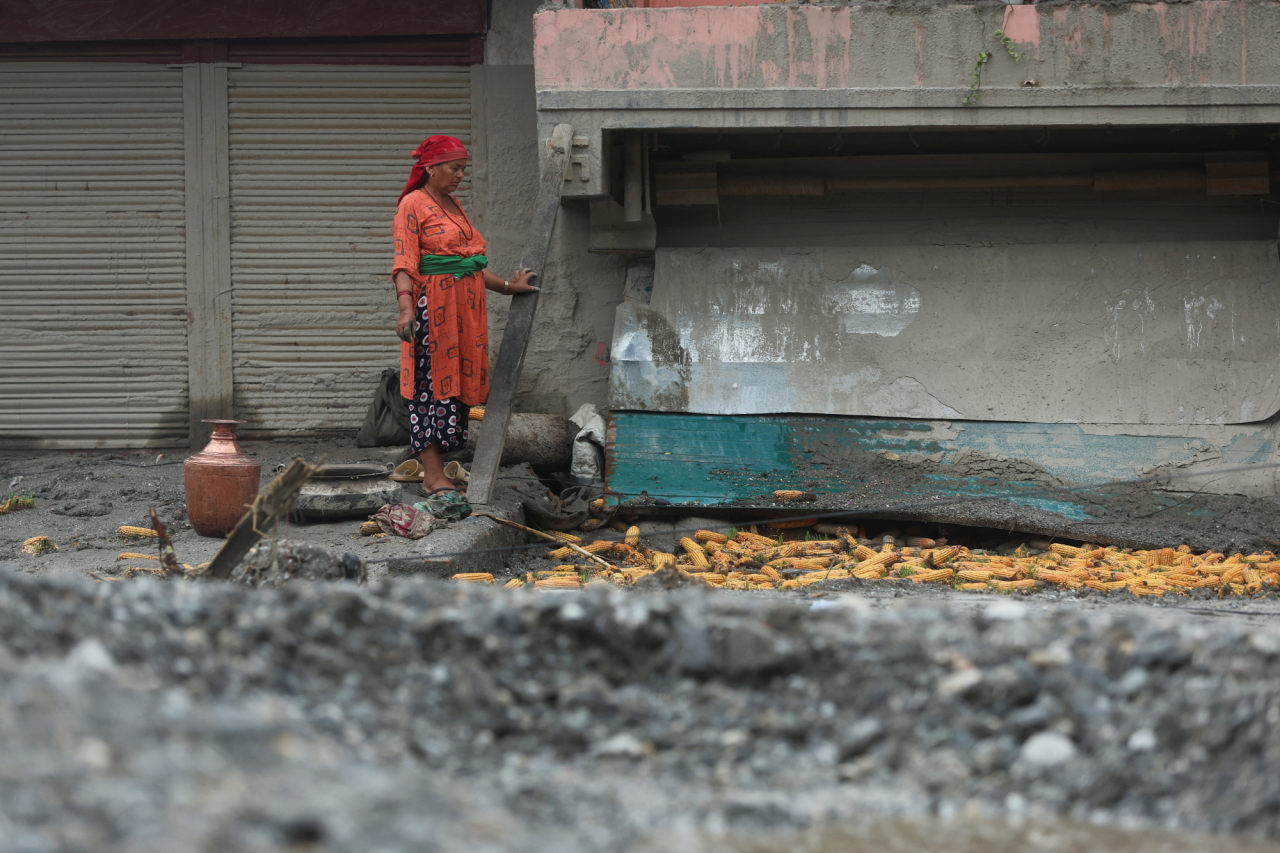
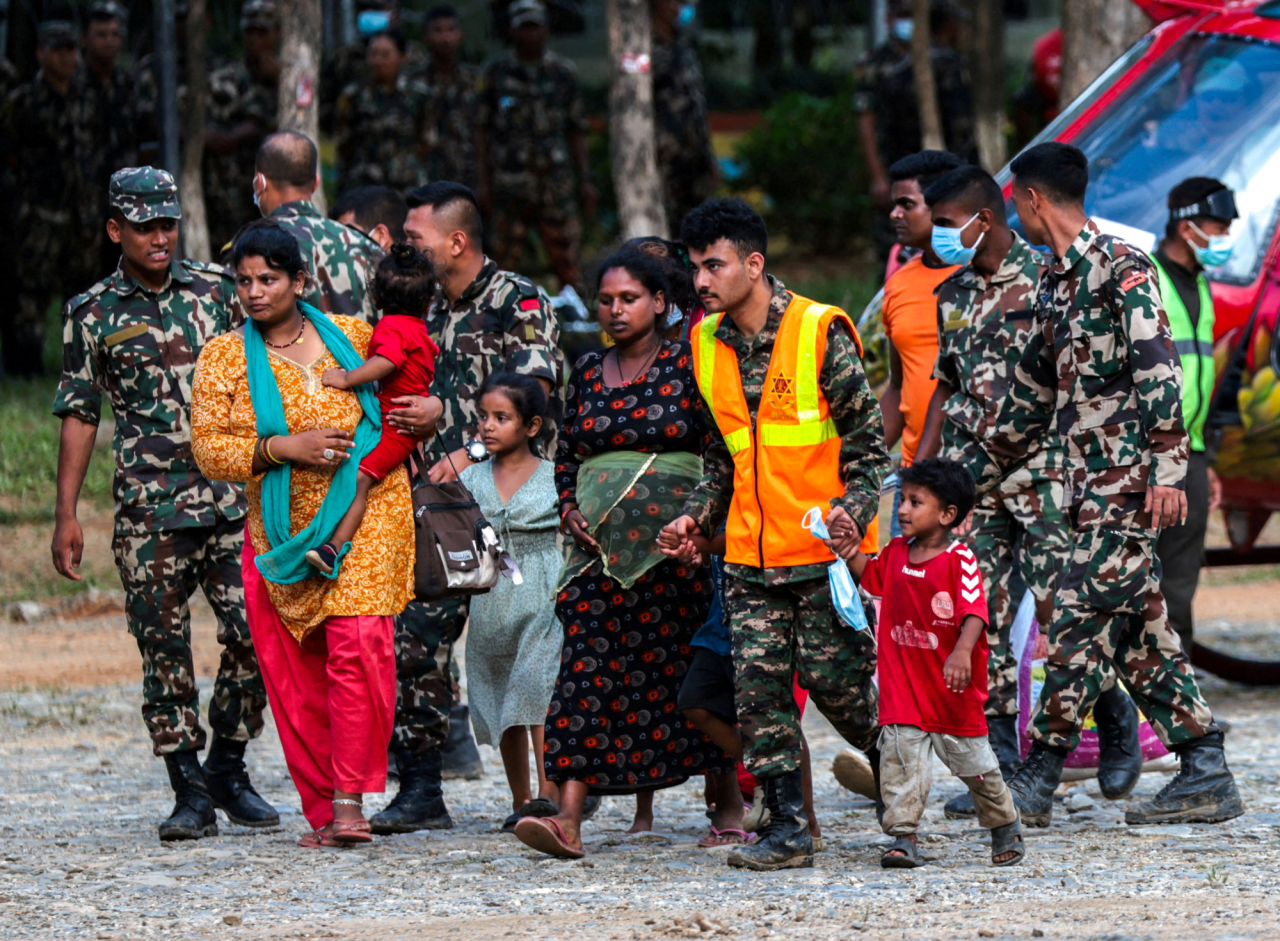
Authorities said intensive searches were continuing for the
dead and for people stranded on hills, in communities and along mountain
riverbanks.
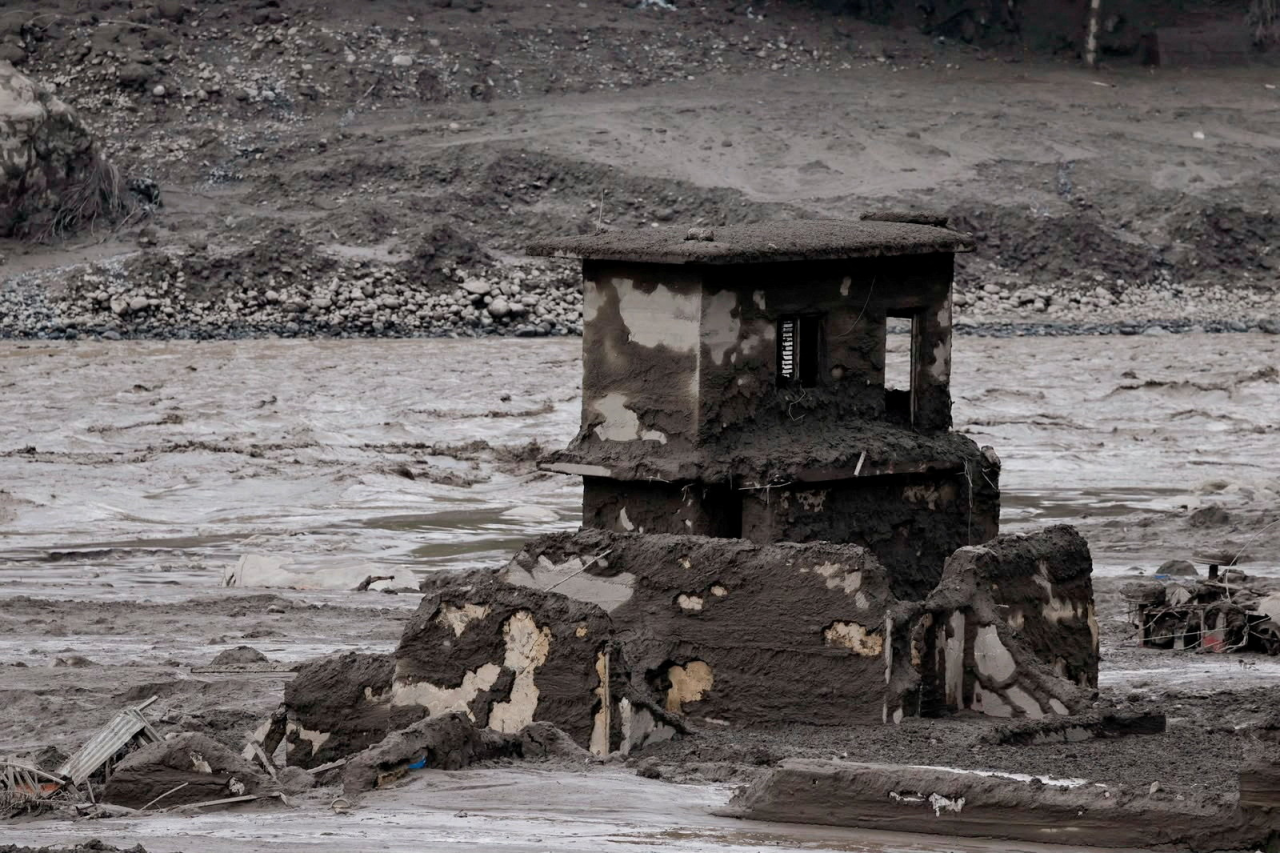
Nepali officials said the main focus was on rescuing workers
believed to be trapped inside hydroelectric power plant tunnels blocked by mud
and rock debris.
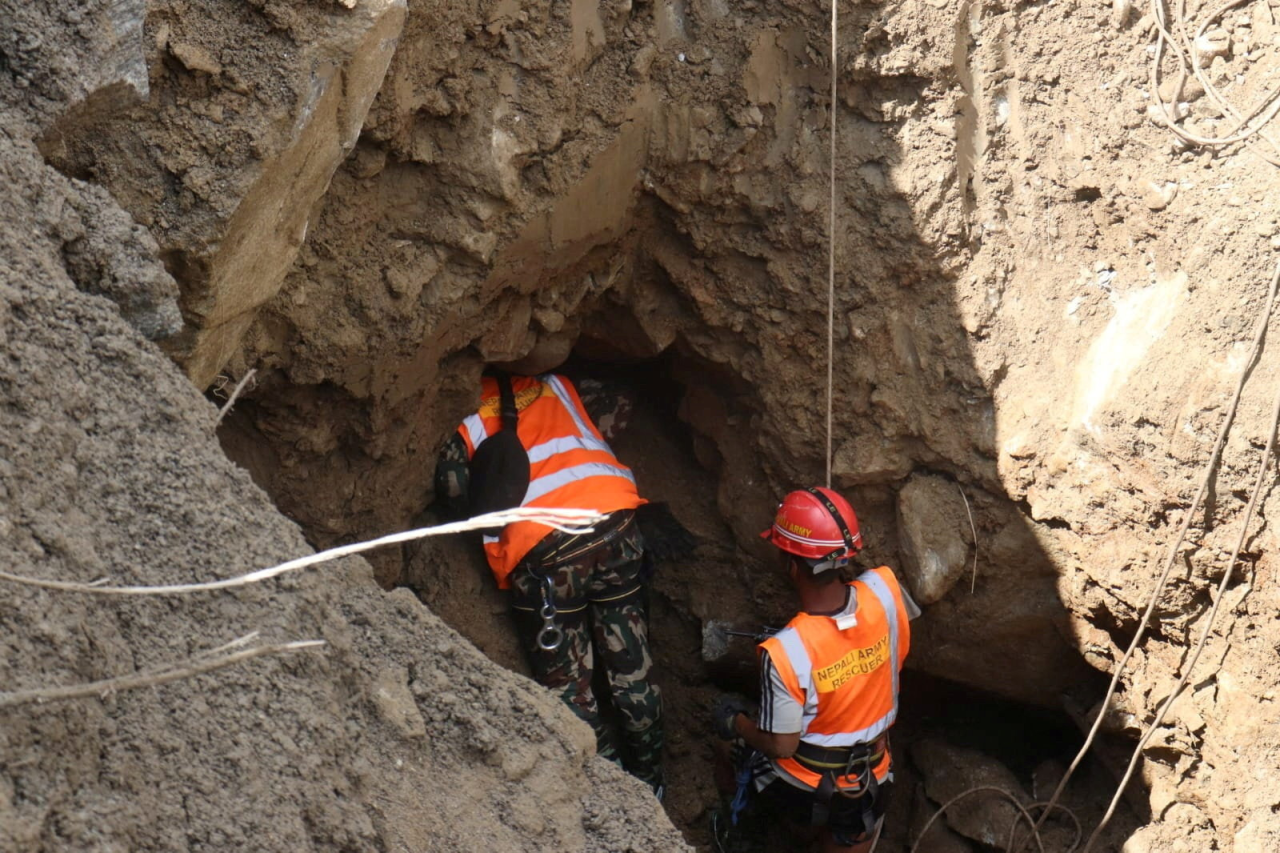
Nepal’s disaster management agency said 933 people were
missing at hydropower facilities in the flood-hit region, Reuters
reported.
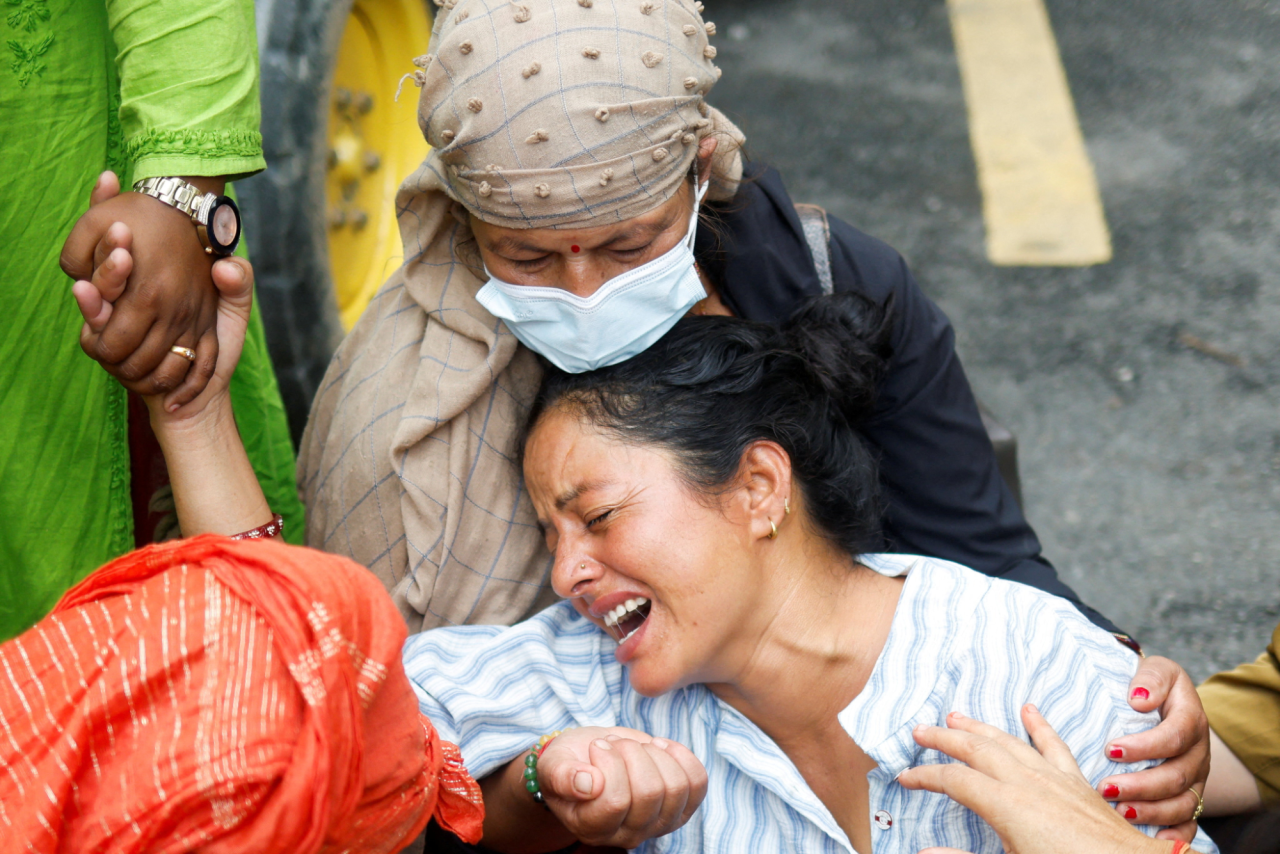
The Red Cross estimates that more than 90,000 people were
likely affected by the disaster, which China has linked to the effects of
climate change.
On Aug. 26, a glacier collapsed on the Nepal-China border.
The collapse triggered a huge torrent of rocks, ice, mud and debris that
cascaded through Himalayan rivers. Water levels rose sharply, flooding
communities in its path. Thousands of pilgrims and tourists were in the area at
the time.
On Aug. 29, Ukraine’s Foreign Ministry reported that 56
Ukrainian citizens remained missing in Nepal. The search was continuing, and
geolocation data from their phones had been obtained.
On Aug. 30, the death toll was reported to have risen to
750, with more than 3,000 people still missing on both sides of the Nepal-China
border.
Meanwhile, China is concealing information about the
aftermath of the disaster. State television has shown almost none of the
information and images that have circulated worldwide. Journalists are barred
from entering Tibet without government permission, the BBC reported.
The military war may be swinging in our favor, but the information war continues.
Just as an army needs soldiers, so does a free society need its journalists to ensure that people have access to honest, trustworthy voices to understand the world around them.
For the past five years, The New Voice of Ukraine has been working tirelessly to push back against Russian narratives and defend democracy. But we cannot do it alone.
Please consider supporting us on Patreon for just $5 a month – your donation does directly to supporting journalists and ensuring that this front of the infowar says solid and defended.
Thank you.
Follow us on Twitter, Facebook and Google News
