

Pentagon weighs pulling 25,000 U.S. troops from Europe despite warnings from NATO allies
 Read NV on Google
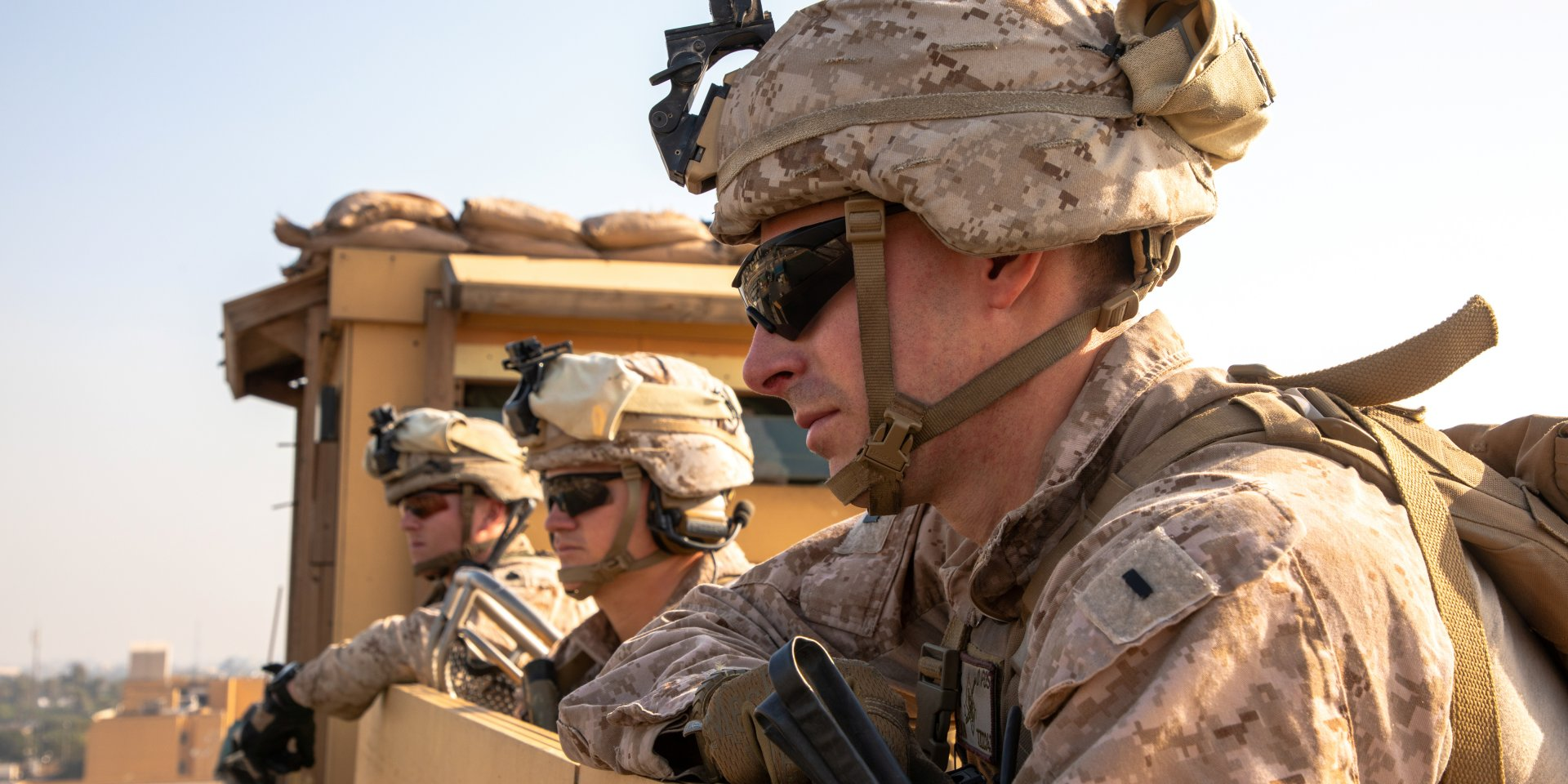
American soldiers (Photo: U.S. Marine Corps/Sgt. Kyle C. Talbot/Handout via REUTERS)
The Pentagon is weighing a drastic plan to pull planes, ships, weapons and tens of thousands of U.S. troops from Europe, despite warnings from NATO allies about the growing threat of Russian aggression, NBC News reported on September 17, citing seven current and former U.S. and Western officials.
The reduction could be roughly one-third of all U.S. troops in Europe, or roughly 25,000. One U.S. official and another person with knowledge of the deliberations say it could be even larger – as much as half, or up to 40,000 troops.
NBC News noted that if carried out, it would be the most significant scaling back of the 80,000-strong U.S. military presence in Europe since the aftermath of the Cold War in the 1990s.
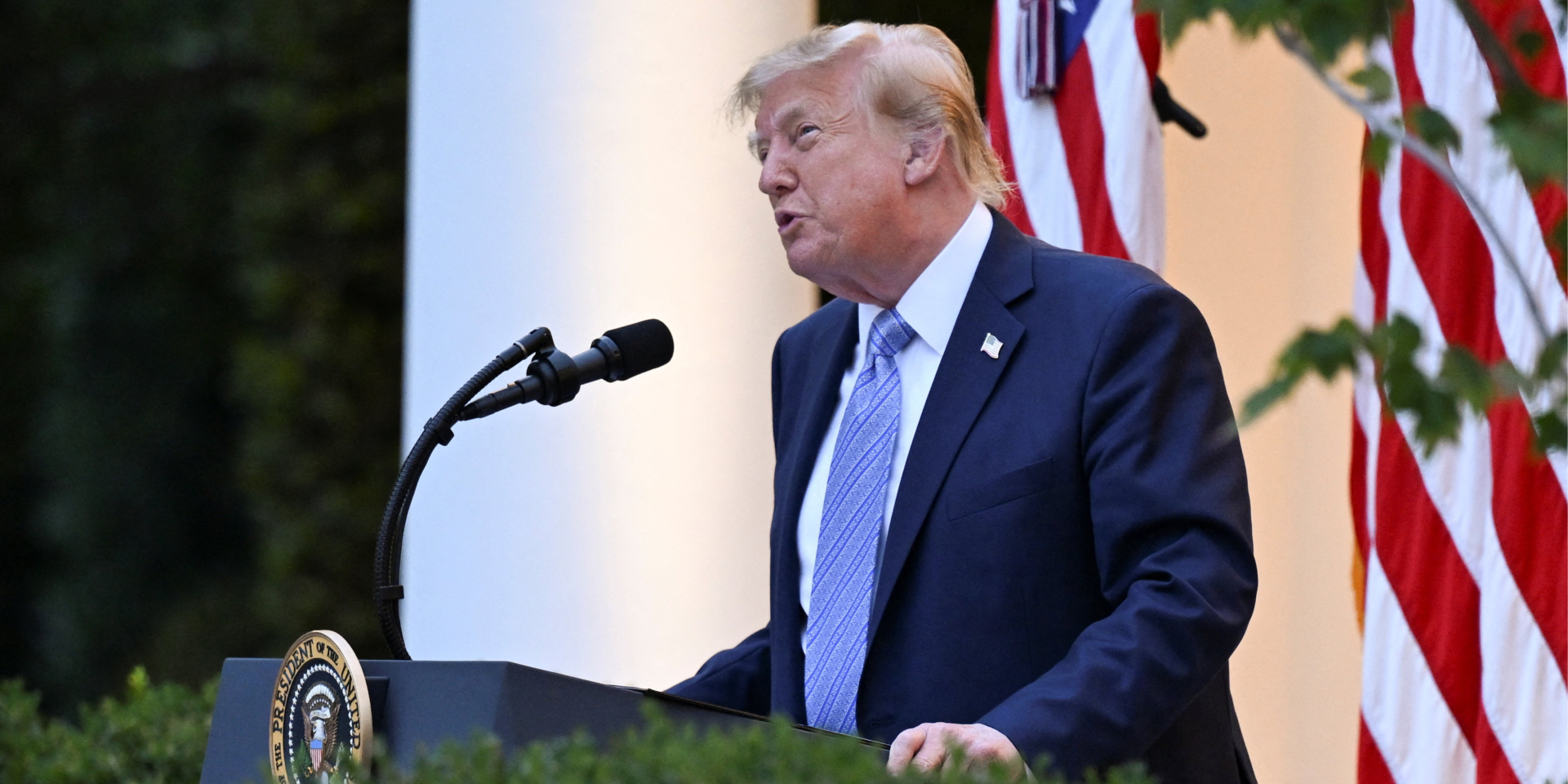
The outlet wrote that the prospect of such dramatic cuts has alarmed lawmakers from both parties and European governments concerned about emboldening Russia.
NBC News emphasized that such a withdrawal could radically reshape America’s relationship with its major allies and force European countries to forge new partnerships at a volatile moment, with wars raging in Ukraine and the Middle East.
Countries affected by the cuts will likely include Germany, Italy, and Spain, according to five sources. The three nations host the bulk of U.S. troops in Europe, but leaders of all three countries have also clashed with U.S. President Donald Trump over the war with Iran.
The Pentagon announced a six-month review of the American military’s presence in Europe in June. U.S. Air Force Gen. Alexus Grynkewich, the supreme allied commander and the head of U.S. European Command, is expected to provide his analysis to Defense Secretary Pete Hegseth on September 18.
The analysis will likely outline four courses of action that could include cuts to American aviation, naval personnel, and ground troops, or other capabilities, and possibly shifting some forces within Europe to countries on NATO’s eastern flank.
Hegseth is due to receive a final recommendation on November 6, which would then be presented to the president. Any withdrawals would happen after that.
No decisions have been made yet, according to a senior Defense Department official and two other officials.
Hegseth directed the six-month review of forces in Europe to “ensure our posture aligns with President Trump’s commonsense, America First strategy,” a senior Defense Department official said in a statement.
“A 25,000-troop cut is not acceptable in any way,” said one congressional Republican, citing the reduction of two rotational brigade combat teams from Germany last year amid concerns that Russian aggression in the region is only increasing. “You can’t do Russian deterrence on the cheap.”
German newspaper Bild reported in May 2026 that the United States had already begun the process of withdrawing approximately 5,000 troops from the Grafenwöhr training area in Germany.
In July, reports revealed that the majority of U.S. troops stationed in Estonia had left the country amid a planned review of the U.S. military presence in Europe.
The military war may be swinging in our favor, but the information war continues.
Just as an army needs soldiers, so does a free society need its journalists to ensure that people have access to honest, trustworthy voices to understand the world around them.
For the past five years, The New Voice of Ukraine has been working tirelessly to push back against Russian narratives and defend democracy. But we cannot do it alone.
Please consider supporting us on Patreon for just $5 a month – your donation does directly to supporting journalists and ensuring that this front of the infowar says solid and defended.
Thank you.
Follow us on Twitter, Facebook and Google News
