

Russia could cut UK transatlantic cables on day 1 of war - Royal Navy chief
 Read NV on Google
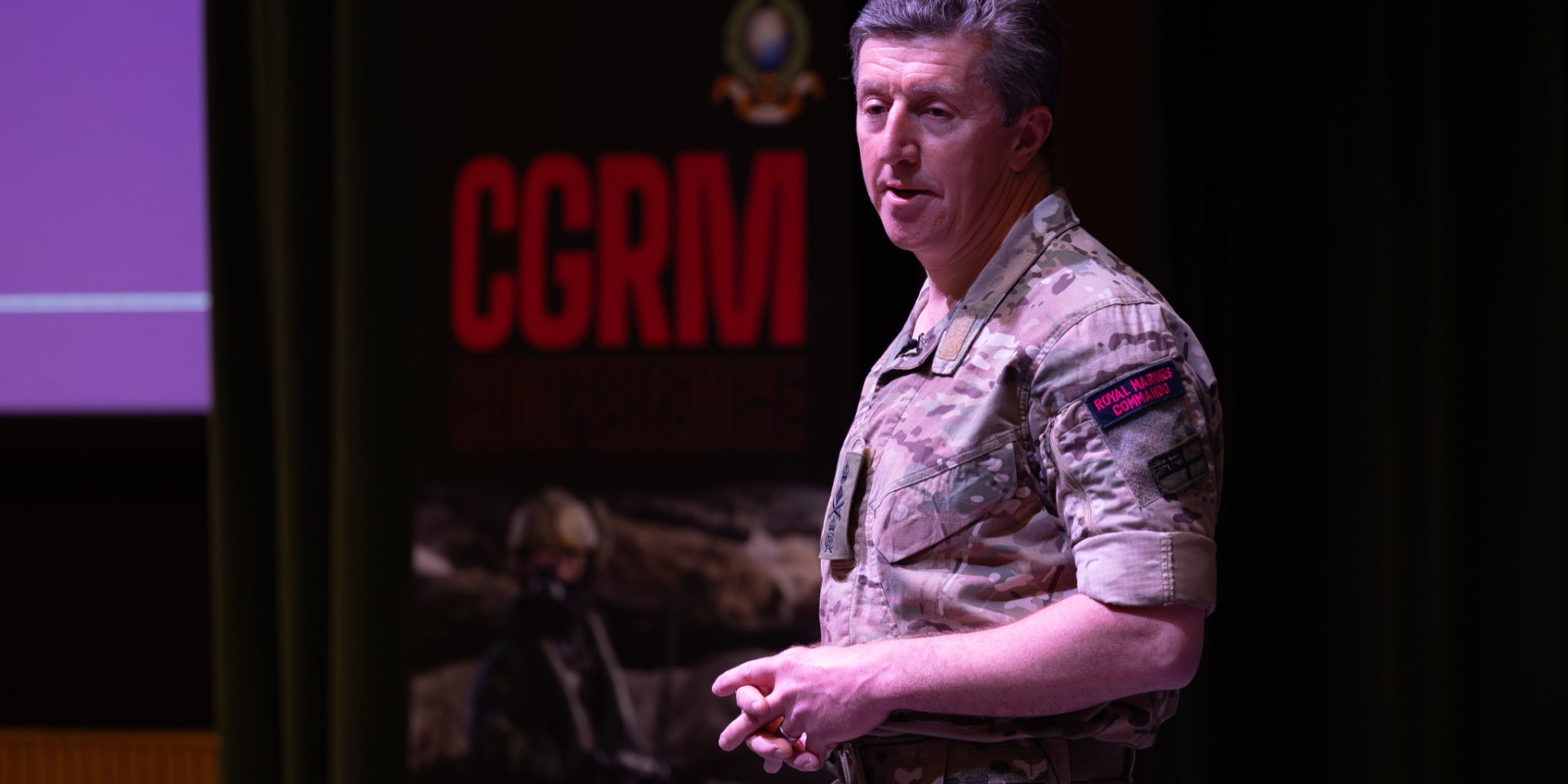
Russia could sever the UK's transatlantic seabed data cables on the very first day of an armed conflict with NATO, First Sea Lord Admiral Gwyn Jenkins warned (Photo: First Sea Lord Sir Gwyn Jenkins / X)
Russia could attempt to cut Britain's transatlantic undersea cables on the first day of an armed conflict, Royal Navy head Gwyn Jenkins told The Telegraph on Sept. 16.
Delivering an address commemorating the Battle of the Atlantic, Jenkins emphasized that UK faces strategic threats unseen since the height of the Cold War, stressing that the country must accelerate combat readiness and construct a high-readiness fleet heavily integrated with autonomous unmanned systems.
According to the commander, Moscow is aggressively surveying, testing, and mapping the Atlantic seabed, forcing the Royal Navy to allocate substantial operational assets to monitor Russian intelligence vessels and shadow fleet tankers.
"Russia is becoming increasingly active in our area of responsibility, and we are spending more time and resources tracking Russian ships and the 'shadow fleet.' On average, two Royal Navy warships are deployed each week solely for this purpose," Jenkins stated.
Recalling that allied powers cut Imperial Germany's transatlantic telegraph cables immediately after the outbreak of World War I, Jenkins warned of historical parallels: "I pray it never happens, but if we go to war again, we know our adversaries will attempt to deploy the exact same playbook against us."
Jenkins identified Russia as the principal threat confronting the UK: "The greatest threat to our security today is Russia. This threat is felt acutely in the maritime domain, across the North Atlantic and the High North [Arctic- ed.]."
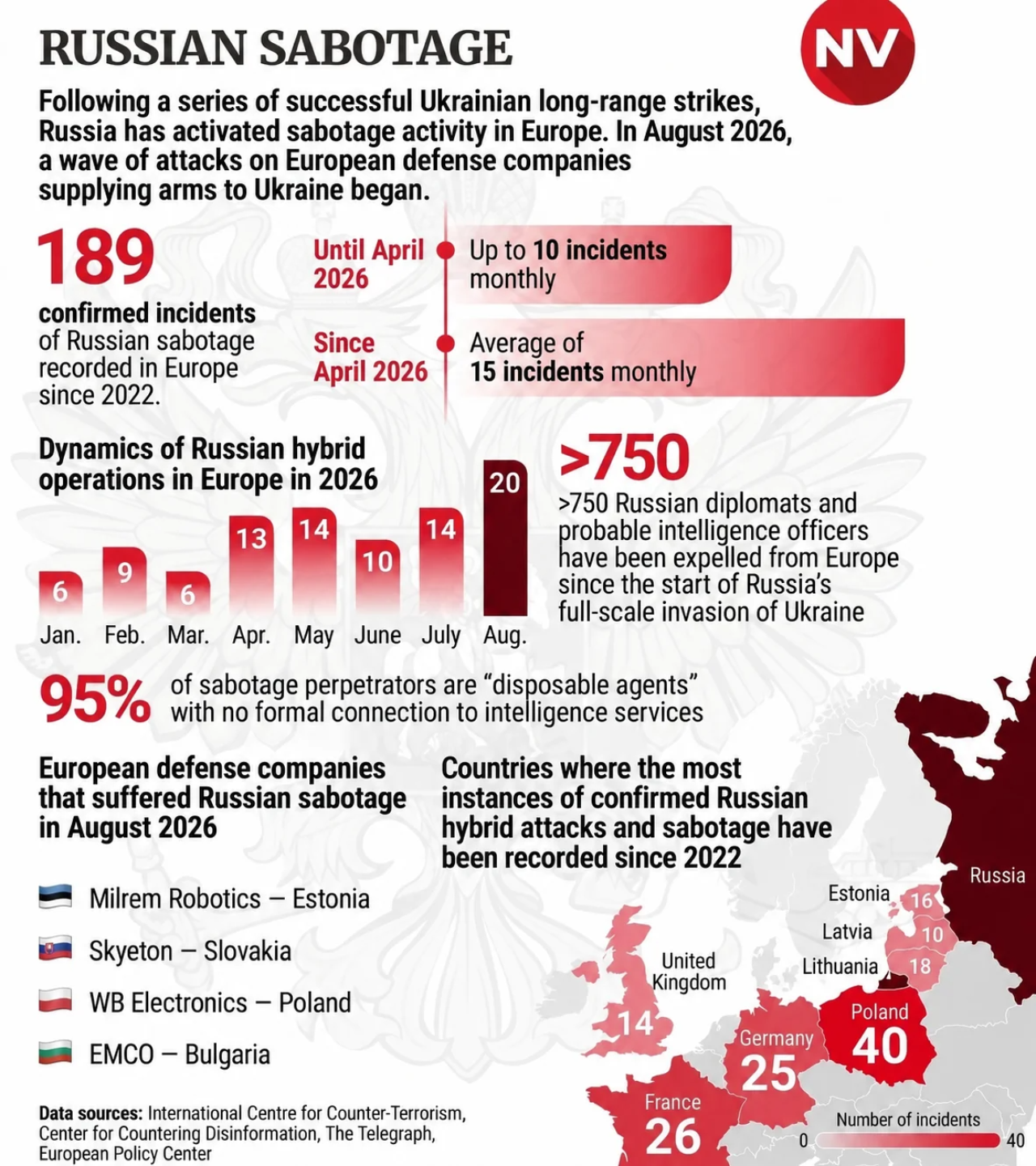
He added that Moscow is systematically striving for asymmetrical dominance in the "gray zone," zeroing in on critical subsea energy and data infrastructure.
To counter these operational hazards, the Royal Navy was allocated at least £1.3 billion ($1.7 billion) to field its "hybrid fleet" doctrine. Earlier this year, the service achieved an operational milestone by conducting the first sea-launched deployment of a new strike-capable unmanned aircraft under this framework.
Sabotage drills and Baltic threat assessments
Disrupted Arctic cable exercise: On Sept. 10, Reuters reported that NATO naval and intelligence assets detected and thwarted a covert Russian submarine exercise conducted in Arctic waters near the Svalbard archipelago in spring 2026. Russian naval forces were rehearsing specialized technology designed to sever critical underwater fiber-optic cables.
Polish intelligence warnings: On June 28, the head of Poland's Foreign Intelligence Agency, Col. Paweł Szota, warned publicly that Russia is prepared to infiltrate "little green men - [soldiers]" into Baltic territory. Szota assessed that Russian dictator Vladimir Putin is trapped by his own strategic setbacks in Ukraine, enabling Moscow to prolong the war for several more years while mounting hybrid provocations along NATO's eastern frontier.
Lithuanian defense posture: On June 29, Lithuania's Defense Ministry offered a contrasting assessment via public broadcaster LRT, noting that intelligence agencies had observed no objective indicators suggesting imminent preparation for a full-scale Russian military invasion of the Baltic states.
Article 5 stress-testing: On Aug. 6, The Wall Street Journal reported that U.S. intelligence assesses Vladimir Putin may attempt to stress-test NATO's collective defense resolve between autumn 2026 and 2029 through disruptive cyber offensives, critical infrastructure sabotage, or localized territorial incursions designed to probe allied readiness to invoke Article 5.
The military war may be swinging in our favor, but the information war continues.
Just as an army needs soldiers, so does a free society need its journalists to ensure that people have access to honest, trustworthy voices to understand the world around them.
For the past five years, The New Voice of Ukraine has been working tirelessly to push back against Russian narratives and defend democracy. But we cannot do it alone.
Please consider supporting us on Patreon for just $5 a month – your donation does directly to supporting journalists and ensuring that this front of the infowar says solid and defended.
Thank you.
Follow us on Twitter, Facebook and Google News
