

Russia debuts upgraded Iskander-1000 missile in one of summer strikes on Kyiv – intelligence
 Read NV on Google
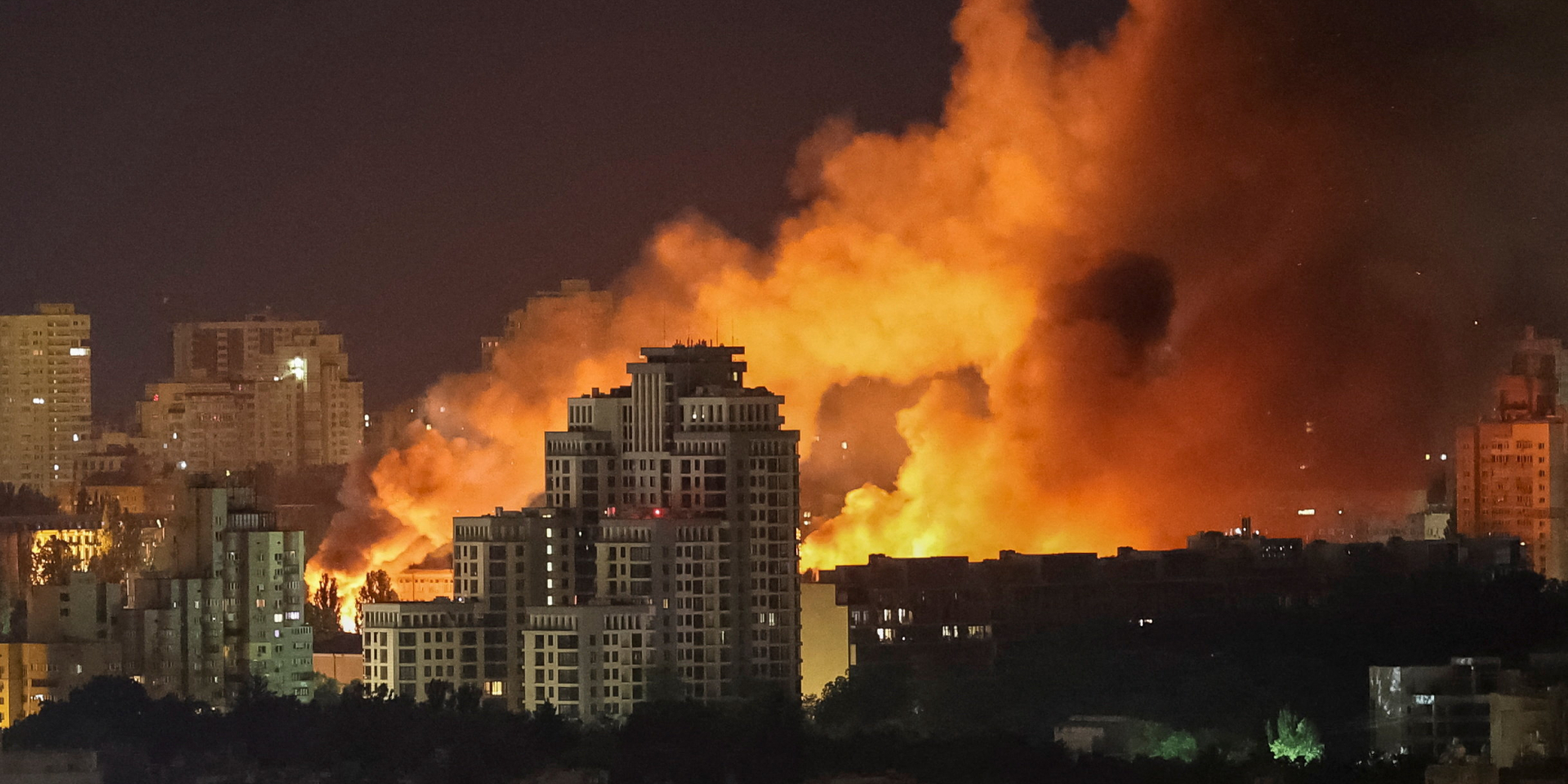
The aftermath of Russia's attack on Kyiv on June 15, 2026 (Photo: REUTERS/Alina Smutko)
During one of the combined missile strikes on Kyiv this summer, Russia used an upgraded ballistic missile, the 9M723-2 — also known by the informal designation Iskander-1000 — for the first time, Ukraine's Defense Intelligence (HUR) reported on Aug. 27.
The missile is part of a system known as Bora-M.
"Thanks to an enlarged engine and correspondingly larger launcher, the upgraded missile can strike targets at a distance of up to 550 kilometers (about 340 miles), compared to 390 kilometers (about 240 miles) for the 9M723-1. The rest of the missile's components remain identical to the 9M723-1 [Iskander-M — ed.]," HUR said.
Intelligence officials stressed that Russian forces have increasingly relied on ballistic missiles as their primary means of aerial attack in recent months.
"The fact that these strikes occur mostly at night, and that the flight time of ballistic missiles to the Ukrainian capital is only a few minutes, points to their purely terrorist nature," intelligence officials said.
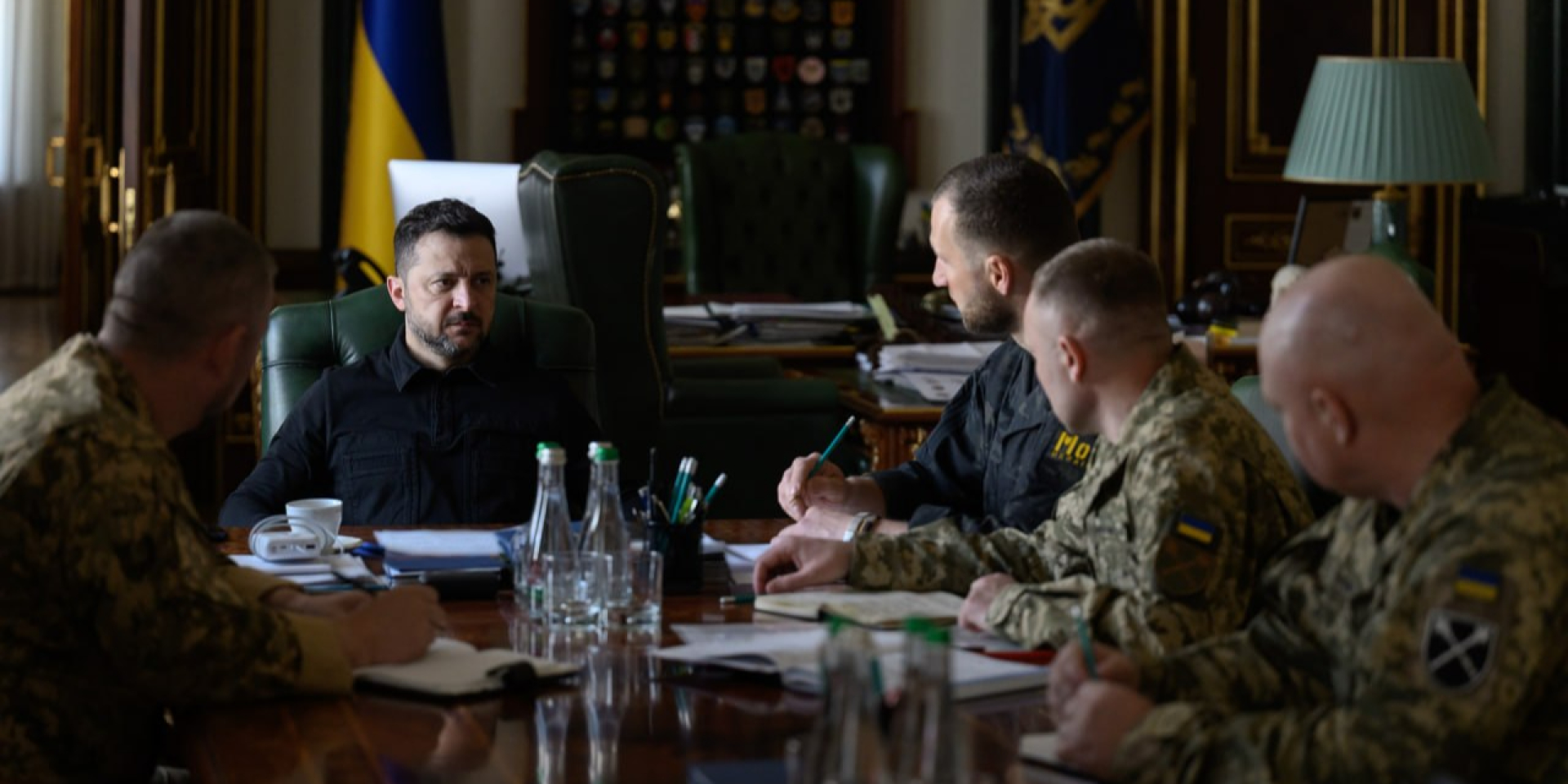
Intel said this shows the enemy is trying to intimidate Ukrainians and force them into peace at any cost.
Ukrainian intelligence also published on the War&Sanctions portal a list of 140 Russian and foreign-made components identified in the 9M723 Iskander-M missile, along with data on 35 companies involved in producing these missiles and more than 100 of their officials and employees.
"Only a quarter of the 140 components published today are manufactured by Russian companies," intelligence officials said. “Nearly half — 63 — come from U.S. manufacturers, eight each from Switzerland and Belarus, four each from Germany and Taiwan, and three from China.”
Notably, in one of the missile's most critical guidance-system components — the unit that processes flight data from the laser gyroscope — only 5 of 43 components are made in Russia.
Overnight into Aug. 27, Russian forces attacked Ukraine once again with ballistic missiles and drones.
The military war may be swinging in our favor, but the information war continues.
Just as an army needs soldiers, so does a free society need its journalists to ensure that people have access to honest, trustworthy voices to understand the world around them.
For the past five years, The New Voice of Ukraine has been working tirelessly to push back against Russian narratives and defend democracy. But we cannot do it alone.
Please consider supporting us on Patreon for just $5 a month – your donation does directly to supporting journalists and ensuring that this front of the infowar says solid and defended.
Thank you.
Follow us on Twitter, Facebook and Google News
