

Ukraine denounces 28-point proposal seen as a Russia-driven plan for ‘peace without Ukraine’
 Read NV on Google
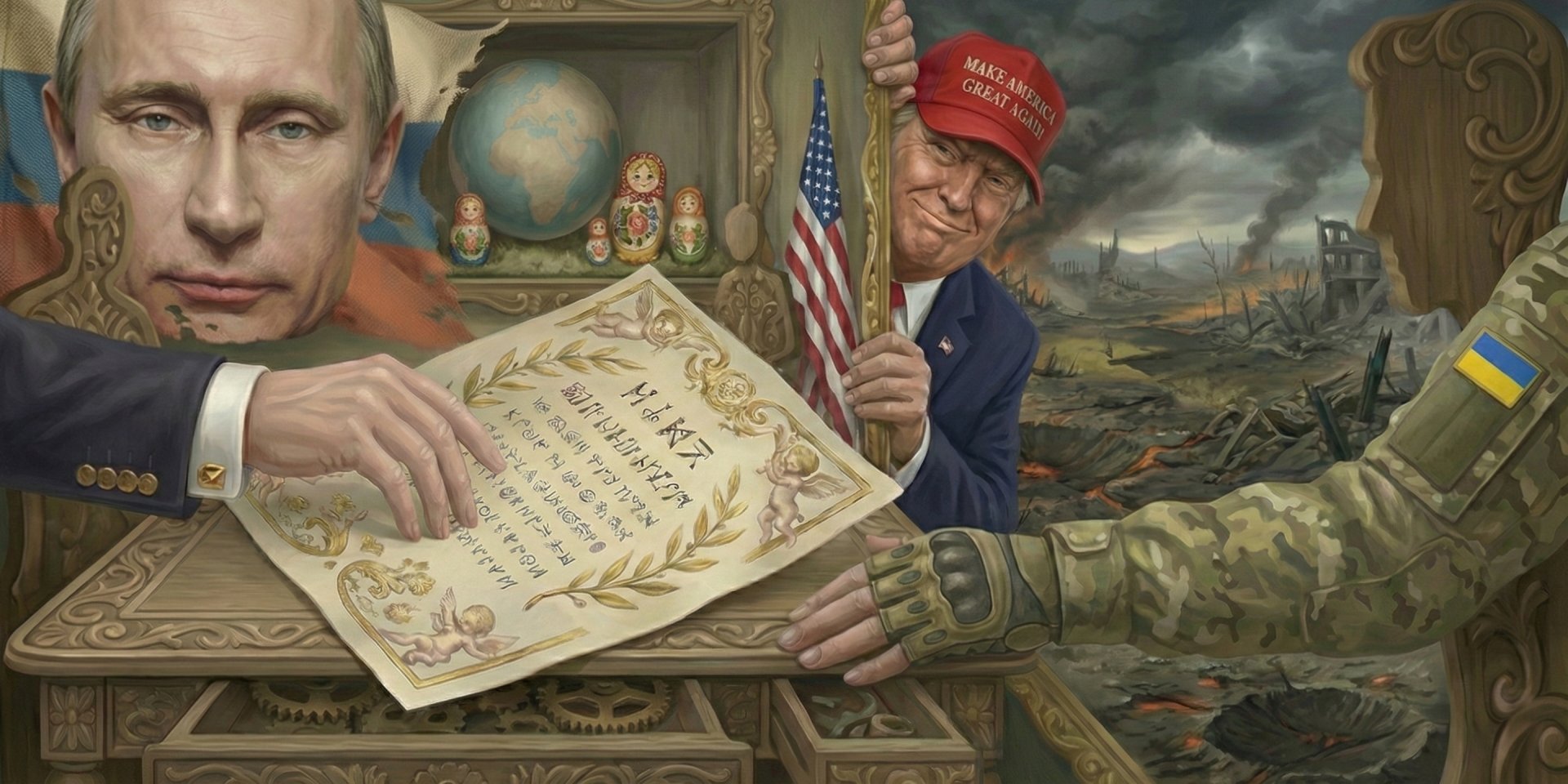
Ukrainians across government, civil society and political
circles are sharply rejecting a reported 28-point proposal that Reuters
traced to talks between Donald Trump’s team and a sanctioned Russian envoy,
arguing the plan resembles a Russian-driven blueprint for forcing Kyiv into
concessions rather than a credible path to peace.
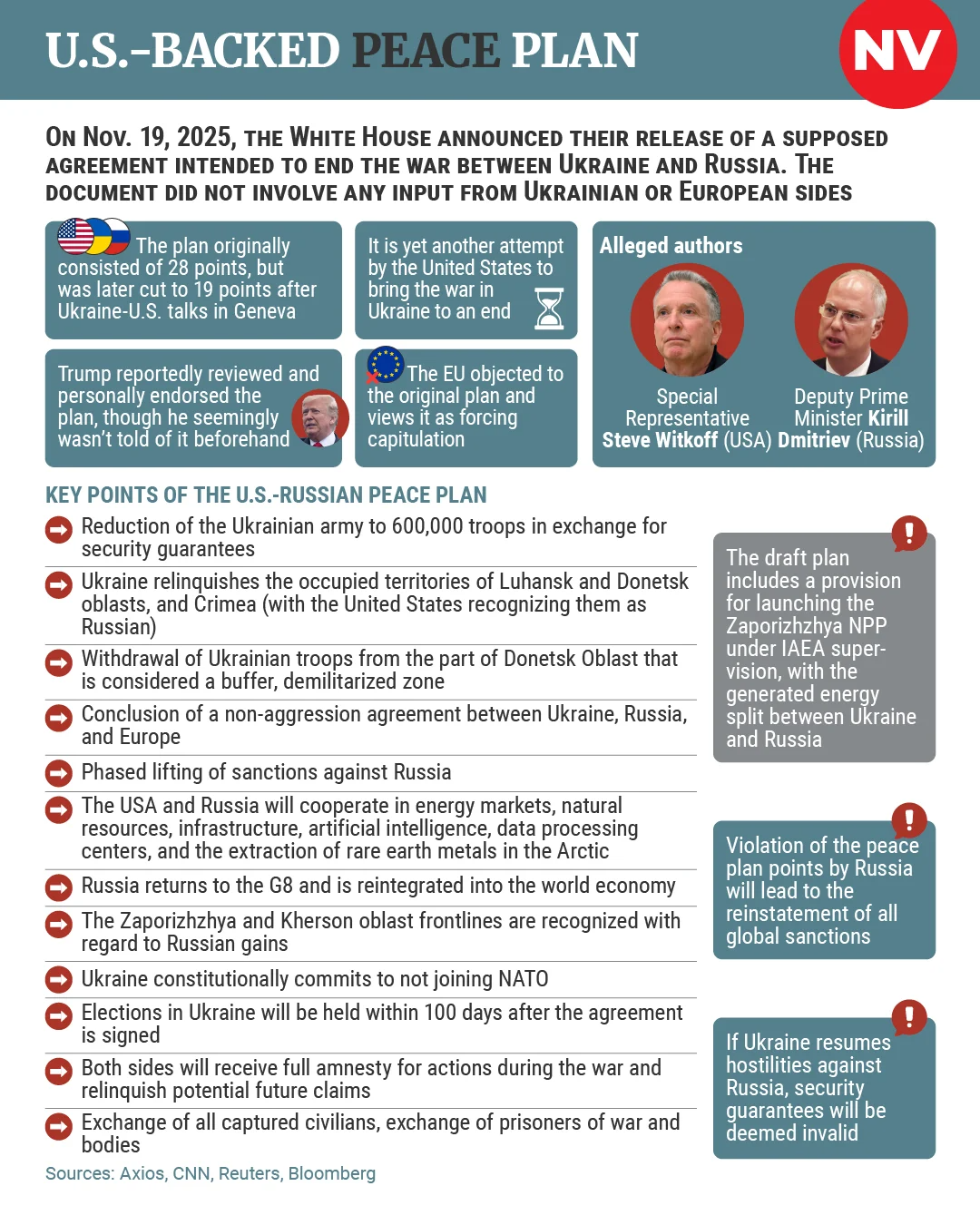
Origins of the 28-point proposal and early confusion
The Ukrainian nation is reacting forcefully to a reported 28-point
proposal that has been described publicly as an “American peace plan,” arguing
it resembles a Russian wish list that would pressure Kyiv into accepting
concessions overwhelmingly at Ukraine’s expense. The backlash spans the
government, political leaders, diplomats, civil society and rights groups, as
well as public opinion research.
Reuters first reported that members of Donald Trump’s team
met in Miami in late October with Kirill Dmitriev, a sanctioned Russian envoy,
to discuss a potential plan to end the war. According to the outlet, that
meeting produced the 28-point proposal later published by Axios and triggered
confusion in Washington and multiple European capitals.
Critics said the combination of its origins and content
fueled suspicion that the document amounted to “peace at any cost” or, as many
framed it, “peace without Ukraine.”
Government response: modified framework and ‘sensitive matters’ left to leaders
President Volodymyr Zelenskyy has attempted to shift the
narrative following talks in Geneva, telling Ukrinform
that the framework has already been changed. He said there are now fewer than
28 points, that “a lot of good things were taken into account,” and that the
document still requires work to make it “worthy.” Zelenskyy added that
“sensitive matters” would be addressed directly between him and Trump.
The Foreign Ministry adopted a similarly cautious tone.
Spokesperson Heorhii Tykhyi said the U.S. “hears Ukraine’s concerns” and is
taking them seriously, though several “particularly sensitive” issues will have
to be handled “at the level of presidents,” Ukrinform
reported.
Officials suggested they are attempting to separate public
outrage over the original 28 points from the closed-door diplomatic process now
underway.
Political warnings: the cost of a strategic mistake
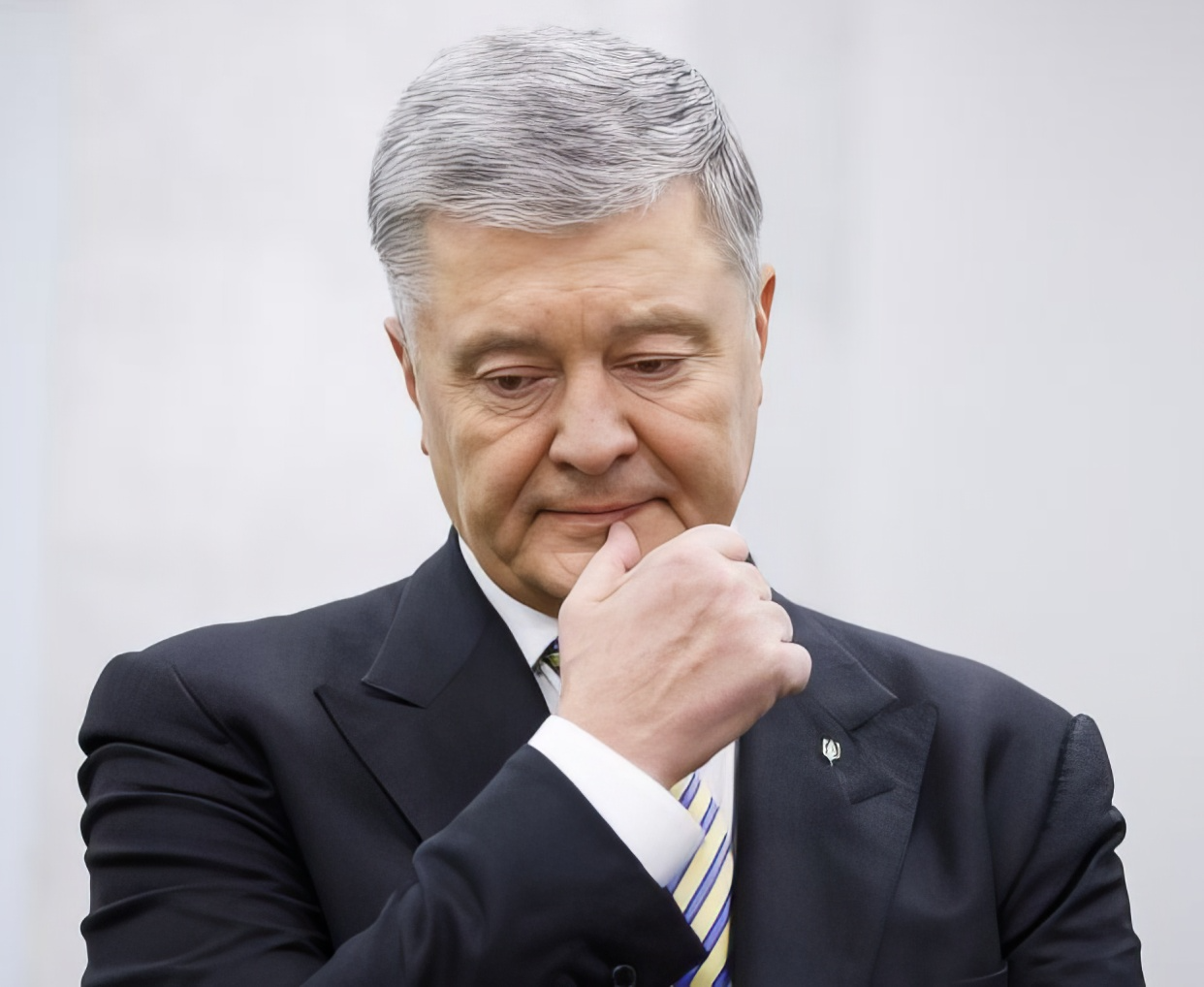
Former President Petro Poroshenko issued a blunt warning
about possible talks, saying “any mistake… may cost us dearly.” NV
reported that Poroshenko argued Ukraine must approach negotiations “from a
position of strength, responsibility, and protection.”
Analysts said such statements serve to set a political
baseline. If the government lowers its demands, it risks accusations of
capitulation; if it raises them, it risks pressure from partners. Critics
framed that tension as a new fault line in domestic politics.
Civil society backlash: accusations of illegitimacy and coerced capitulation
Civil society delivered the harshest assessment. In a joint
statement cited by Espreso,
rights defenders, academics, and cultural figures called the proposal a
“blueprint for forced capitulation.”
Their statement argued the document:
- “Is not legitimate”;
- “Has no formal status as a U.S. policy paper”;
- “Was developed without Ukraine’s participation”;
- “Reflects key Russian demands";
- And contradicts Ukraine’s Constitution, the UN Charter, and
the Budapest Memorandum.
Advocates said those elements make the proposal legally and
politically unacceptable as any basis for peace talks.
Human rights criticism: absence of protections for civilians
Human rights activist Oleksandra Matviichuk wrote in an
op-ed for hromadske
that the plan fails to address civilians in occupied territories, deported
children, prisoners of war, or illegally detained Ukrainians. She argued there
is “not a single word about the fate of people” in the proposal.
Analysts said that omission reduces the document to a
territorial freeze that could entrench Russian control rather than restore
justice or protect vulnerable populations.
Diplomatic concerns: fears of legitimizing Russia and lifting sanctions
Former Ukrainian ambassador to the United States and France,
Oleh Shamshur, told Espreso
the proposal would “legitimize Russian occupation” and “reintegrate Moscow into
the global economy.” He said removing sanctions would amount to “rewarding the
aggressor,” a reversal that many Ukrainians fear would normalize Russian
actions instead of deterring future aggression.
Intellectual analysis: a smaller, constrained, weakened Ukraine
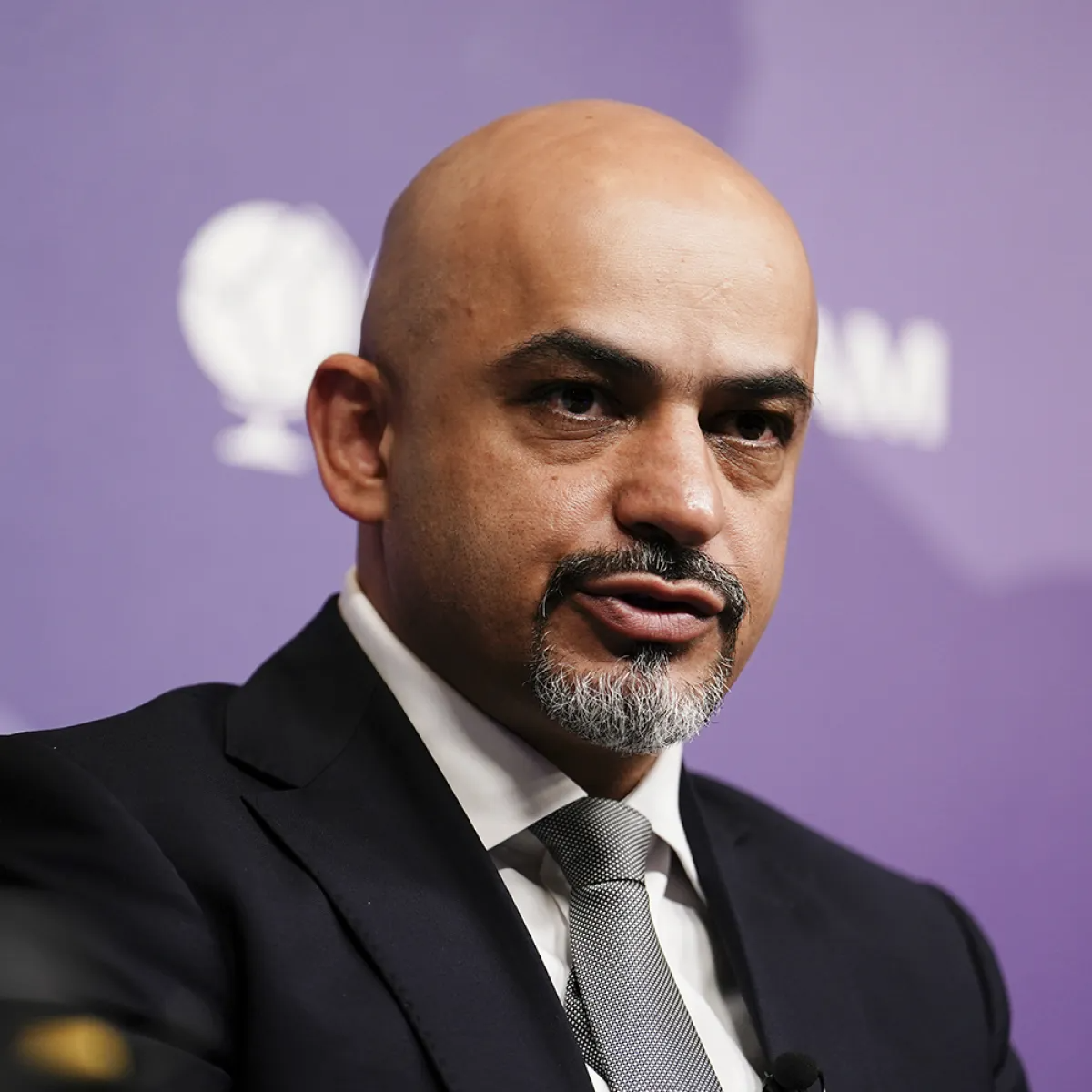
Mustafa Nayyem, an Afghan-Ukrainian journalist, public
figure and politician, described the document in an op-ed published in ZMINA
as a vision for a “smaller, quieter, more constrained Ukraine,” a country
stripped of agency, where security decisions are externally controlled and
national sovereignty becomes a negotiable commodity. He portrayed the plan not
as a genuine attempt at peace, but as a framework that legitimizes Ukraine’s
defeat, locking it into a diminished future under the guise of compromise.
Nayyem argued the proposal was less about ending the war and more about silencing
Ukraine’s voice in the name of geopolitical convenience and fatigue.
U.S. position: security guarantees and reported pressure
Reuters reported that U.S. officials described the plan as a
potential “best win-win scenario,” saying it could include security guarantees
for Ukraine. But the same report cited warnings that Washington could limit
military aid if Kyiv refused to engage.
Critics said the mixture of assurances and pressure deepened
public suspicion, with many Ukrainians seeing echoes of earlier “frozen
conflict” arrangements that failed to stop renewed Russian aggression.
Public opinion: a clear boundary for compromise
Polling data cited in the commentary shows strong resistance
to a settlement perceived as favoring Russian interests.
A September survey by the Kyiv International Institute of
Sociology (KIIS) found that 76% of Ukrainians reject a “Russian-style peace plan.” The
same poll found that 74% support a Ukraine–EU peace vision built on sanctions,
justice, and security guarantees.
A separate August survey by Rating Group found that 59% of
Ukrainians would accept a ceasefire, but 75% insist such an agreement must
include strong international security guarantees. Only 33% favored continuing
the fight until full restoration of borders, though researchers said those
numbers did not reflect a willingness to make unilateral concessions.
Where the debate stands now: evolving text, lasting distrust
Zelenskyy has since said the 28-point proposal “no longer
exists in its original form,” and Ukrainian media have reported that elements
were removed or rewritten after Geneva.
But analysts and activists say the political damage has
already been done. In their view, the combination of the document’s reported
origins — discussed with a sanctioned Russian figure in Miami — and its initial
content created a perception that Ukraine was presented with a premature,
externally driven “framework” it had little say in shaping.
Critics argue that Ukrainians have drawn hard lessons from
2014 and 2022: ceasefires without justice are temporary. Against that backdrop,
they say, the 28-point proposal looked less like a peace plan and more like a
countdown to another war.
The military war may be swinging in our favor, but the information war continues.
Just as an army needs soldiers, so does a free society need its journalists to ensure that people have access to honest, trustworthy voices to understand the world around them.
For the past five years, The New Voice of Ukraine has been working tirelessly to push back against Russian narratives and defend democracy. But we cannot do it alone.
Please consider supporting us on Patreon for just $5 a month – your donation does directly to supporting journalists and ensuring that this front of the infowar says solid and defended.
Thank you.
Follow us on Twitter, Facebook and Google News
