

Water levels decline in Kherson Oblast, but heavy rainfall will slow fall in flooding
 Read NV on Google
Water levels continue to decrease in Kherson Oblast following the destruction of the dam at Kakhovka Hydroelectric Power Plant, but rainfall is expected to slightly slow the fall of the flood waters, Oleksandr Prokudin, the oblast’s governor, said in a poston Telegram on June 10.
The average level of flooding currently stands
at 4.72 meters – a decrease of 31 centimeters since the evening of June 9. However,
meteorologists are predicting substantial rainfall on June 11, which could
present another challenge for the flood-ravaged region.
“We’re facing another challenge,” Prokudin
said.
“The
rain will slightly hinder the recession of the (flood) water, and naturally create
additional difficulties for the people.”
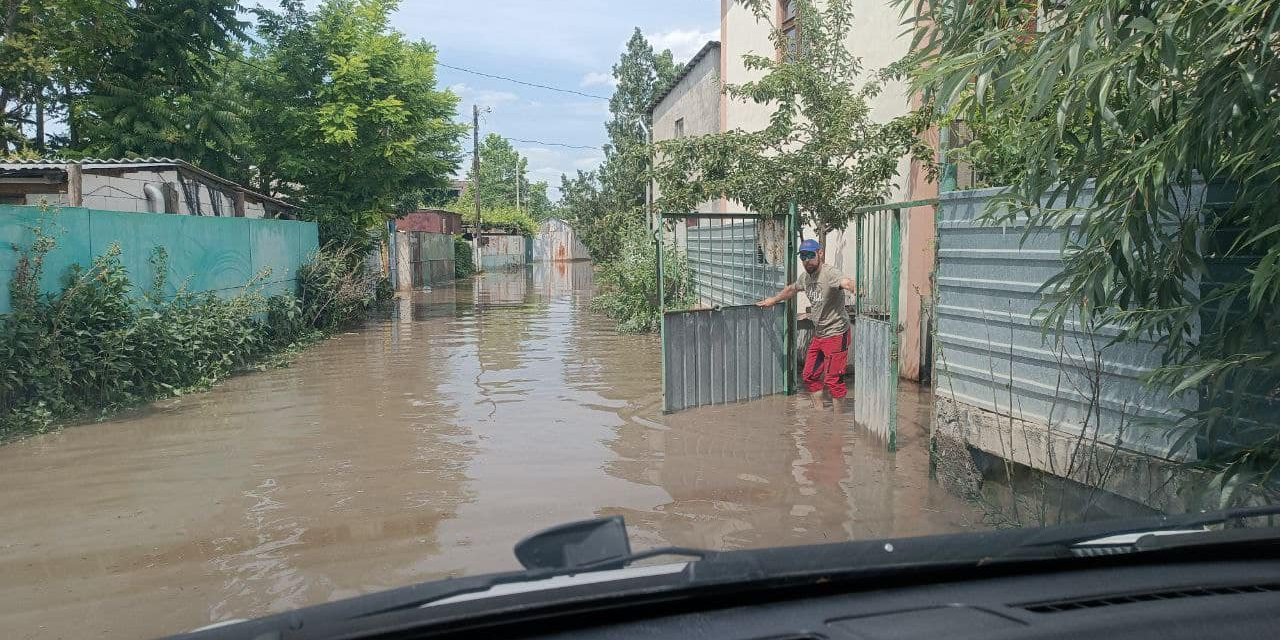
On the right bank of Kherson Oblast, a
total of 35 settlements are submerged, with 3,763 houses recorded as being
inundated. The most heavily affected areas include Kherson, Bilozerka, and
Zymivnyk.
Over 2,500 individuals have already been
evacuated from the flood zone.
The situation on the occupied left bank remains
critical. In Hola Prystan and Velykokardashynskyi community district, the water
has receded by 20-30 centimeters, but the rate of recession has slowed down.
Prokudin noted that Russian invasion forces are not only obstructing evacuation
efforts but also threating to shoot locals who wish to assist others.
Explosion at Kakhovka HPP — what is known
Russia’s troops invaded Nova Kakhovka more
than a year ago. On the night of June 6, the dam there was blown from the
inside. The water flow from the reservoir, which was close to its
highest recorded water level, has endangered over 80 towns and
settlements, including the regional capital of Kherson, downstream on the
Dnipro River.

The left (eastern) bank of the Dnipro River, which is under
Russian occupation, is affected the most.
Ukrainian President Volodymyr Zelenskyy
ordered an evacuation from the endangered areas and supply of safe
drinking water to people who were supplied with water from the Kakhovka Reservoir,
which is draining away because of the destruction of the dam.
Evacuation from the right bank of Kherson
Oblast continues, even during the nighttime, while a catastrophe unfolds on the
occupied left bank, which has suffered significantly more from the flooding.
The Kakhovka Hydroelectric Power Plant was completely destroyed and cannot
be repaired, state hydroelectric company Ukrhydroenergo said earlier. The
dam wasn’t destroyed completely, but significantly damaged, the Ukrainian
military’s South Operational Command said.
Around 16,000 people on the right (western)
bank of the Dnipro River in Kherson Oblast are in a “critical zone” at
risk of flooding according to the oblast’s governor, Oleksandr Prokudin.
The Prosecutor General’s Office opened an
investigation on the incident under article of the Criminal Code on
ecocide.

President Zelenskyy has called Russia’s
attack on the Kakhovka Hydroelectric Power Plant the largest man-made
environmental disaster in Europe in decades.
Ukraine’s Defense Intelligence has said
that the Russian demolition of the Kakhovka Hydroelectric Power Plant
increases the threat of a nuclear disaster.
The mayor of the occupied town of Oleshky,
Yevhen Ryshchuk, reported on June 8 that at least eight people had died as a
result of the flooding.
At least five individuals lost their lives
and another 13 were reported missing due to the explosion at the Kakhovka
Hydroelectric Power Plant, according to Ukraine’s Interior Ministry.
The military war may be swinging in our favor, but the information war continues.
Just as an army needs soldiers, so does a free society need its journalists to ensure that people have access to honest, trustworthy voices to understand the world around them.
For the past five years, The New Voice of Ukraine has been working tirelessly to push back against Russian narratives and defend democracy. But we cannot do it alone.
Please consider supporting us on Patreon for just $5 a month – your donation does directly to supporting journalists and ensuring that this front of the infowar says solid and defended.
Thank you.
Follow us on Twitter, Facebook and Google News
