

Trump: Ukraine should stop hitting Russia’s energy sector because it is causing diesel shortages
 Read NV on Google
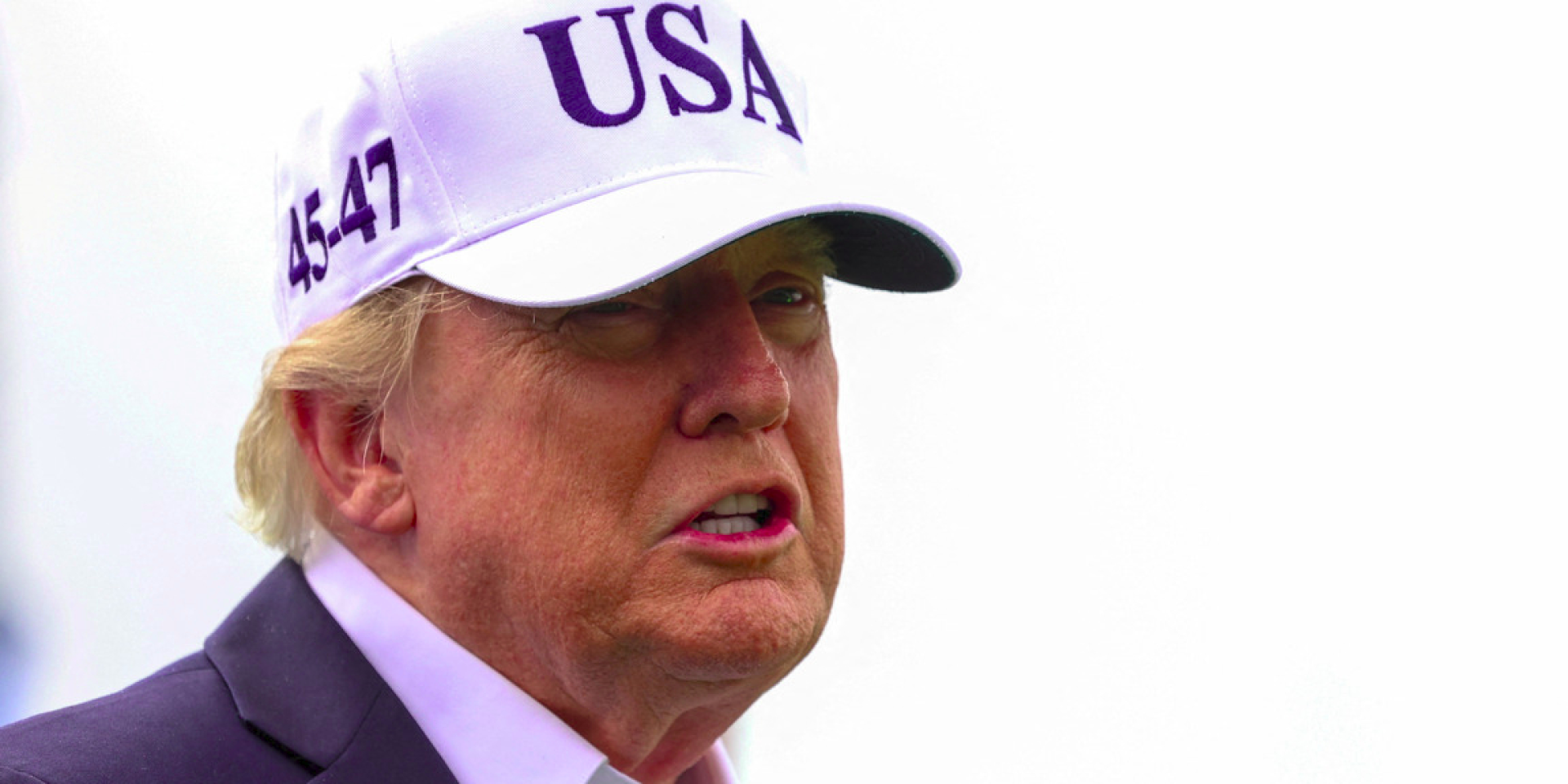
U.S. President Donald Trump during a visit to Ireland on September 13, 2026 (Photo: REUTERS/Cathal McNaughton)
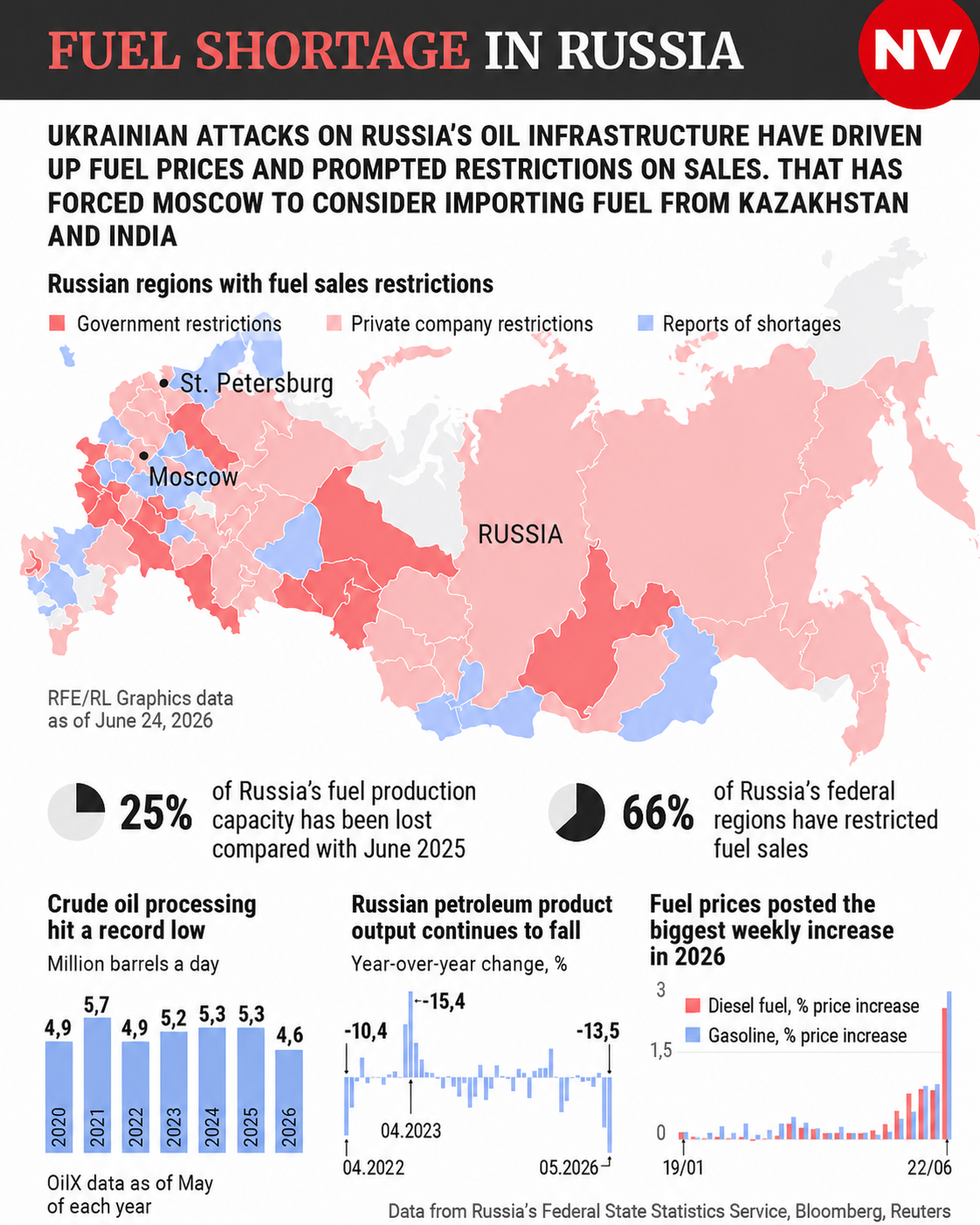
Ukraine should stop striking Russian energy infrastructure because, in his view, those attacks are causing shortages of diesel fuel, President Donald Trump told reporters while visiting the Irish Open golf championship on Sept. 13.
He argued that the diesel shortage had not been caused by the U.S. war against Iran, but supposedly by Ukrainian attacks on Russian energy facilities.
“Mr. Zelenskyy has to do one thing. He has to stop knocking out diesel fuel in Russia,” Trump said. “Let him go after targets, but not diesel fuel, because he’s causing a shortage of diesel.”
In an interview with Fox News published on Sept. 2, U.S. Treasury Secretary Scott Bessent said the world is facing an “energy shock” because “Ukraine has decided that they want to blow up Russian energy assets and refine products.” He said a second cause of the crisis was the U.S. war against Iran.
The U.S. position after renewed talks on ending Russia’s war against Ukraine
On Sept. 12, President Trump’s special envoy Jared Kushner said most of a peace deal between Ukraine and Russia is already prepared, and that all that remains is to find a “creative” solution to territorial disagreements.
“President Putin laid out his line of what he wants to achieve,” Kushner said. "If Ukraine wanted to withdraw to that line, then obviously, you know, we have the rest of the deal set up and put together. Ukraine right now does not want to do that."
President Volodymyr Zelenskyy has repeatedly rejected Putin’s ultimatums demanding the withdrawal of Ukraine’s Defense Forces from the Donetsk and Luhansk oblasts as a condition for ending the war. Presidential office head Kyrylo Budanov has also said Ukraine is ready to end the war, but will not give up territory.
On Sept. 5, Trump’s envoys Steve Witkoff and Jared Kushner again met with Russian President Vladimir Putin in Russia, and the next day they traveled to Ukraine for the first time to take part in negotiations on ending the war.
On Sept. 8, Trump spoke with Putin after Witkoff and Kushner returned to the United States, but he did not call Zelenskyy.
On Sept. 9, after what he called a “great conversation” with Putin, Trump said the Russian leader was ready to make a peace deal and expressed hope that Zelenskyy would also agree to the arrangements.
Ukraine’s strikes on Russian oil refineries
On Sept. 13, Ukraine's General Staff reported that the Defense Forces had struck the Slavyansky Oil Refinery in Russia's Slavyansk-na-Kubani, Krasnodar Krai.
According to military officials, this refinery is one of the largest independent oil refineries in southern Russia. Its refining capacity is approximately 5.2 million metric tons of crude oil per year.
In addition, the General Staff confirmed that the Taneco oil refinery in Nizhnekamsk, Republic of Tatarstan, had been struck. A fire was reported in one of the storage tanks there.
On Sept. 11, the General Staff of the Armed Forces of Ukraine stated that during the night, Ukrainian Defense Forces struck the Saratov Oil Refinery, which supplies fuel and lubricants to the Russian armed forces. It produces gasoline, diesel fuel, and other petroleum products, with a refining capacity of approximately 7 million metric tons of crude oil per year.
On Sept. 6, the General Staff of the Armed Forces of Ukraine confirmed a strike on the Ryazan Oil Refinery, one of Russia's largest. On Sept. 10, Reuters reported that the refinery had ceased operations.
In addition, on Sept. 10, Ukrainian President Volodymyr Zelenskyy confirmed that the Defense Forces had struck an oil refinery in the Yamalo-Nenets Autonomous Okrug.
On Sept. 5, a strike by the Ukrainian Armed Forces destroyed six storage tanks at a Russian oil depot in Sochi.
The military war may be swinging in our favor, but the information war continues.
Just as an army needs soldiers, so does a free society need its journalists to ensure that people have access to honest, trustworthy voices to understand the world around them.
For the past five years, The New Voice of Ukraine has been working tirelessly to push back against Russian narratives and defend democracy. But we cannot do it alone.
Please consider supporting us on Patreon for just $5 a month – your donation does directly to supporting journalists and ensuring that this front of the infowar says solid and defended.
Thank you.
Follow us on Twitter, Facebook and Google News
