

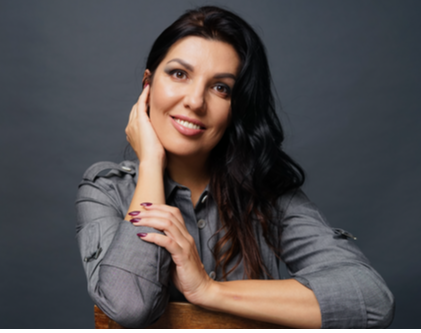
From Rubizhne to the world — memories of a lost homeland
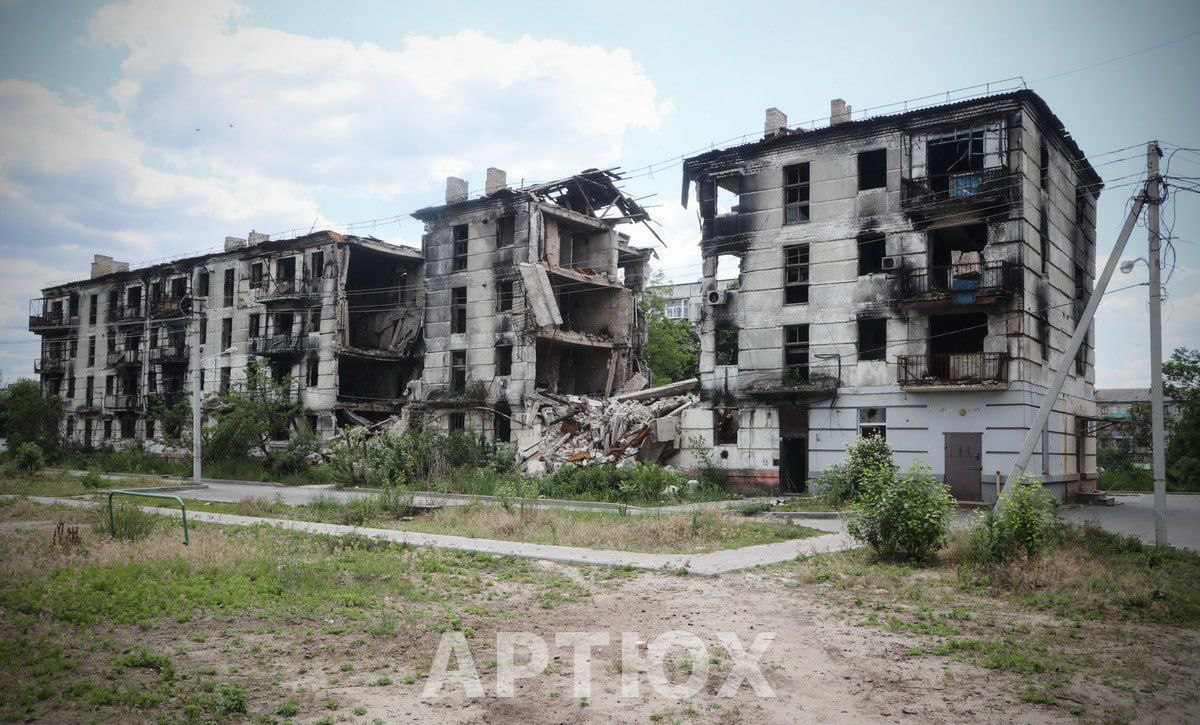
I grew up in Rubizhne, a small town in Luhansk Oblast. Technically, it’s still on the map, but it has been under occupation almost since the start of the war. Now, the town is a vast ruin. What used to be a community with cozy streets, bustling courtyards, and vibrant neighborhoods has been obliterated — wiped out by Russia.
How do I feel about this as someone who grew up there? Someone who graduated from school there, spent weekends at the lake or the family dacha, visited my mother’s friends and my own, attended classes, and earned my first degree there? How do I feel, knowing I buried both of my parents there?
Honestly — nothing. Except for this deep, lingering sense of loss over everything we’ve endured since the full-scale invasion.
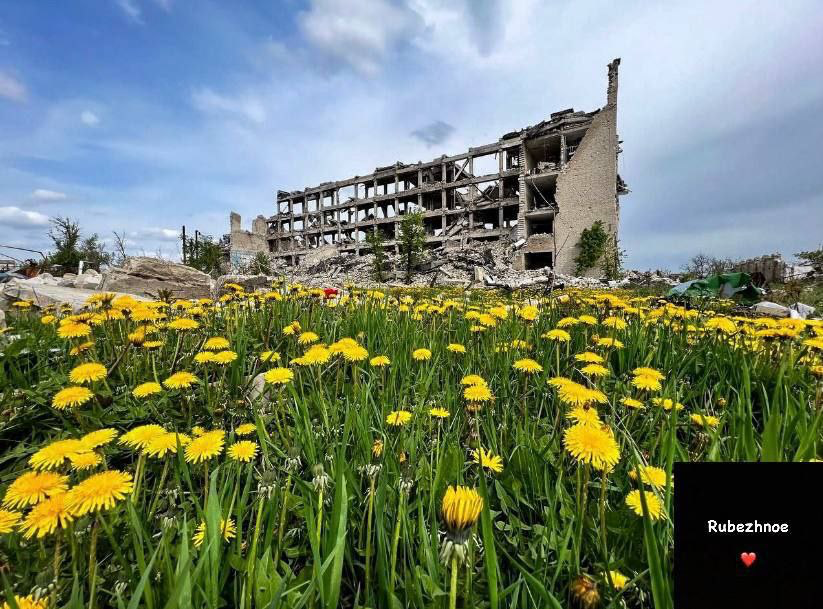
I never held a wake for my town. In fact, I’m still embarrassed to even say its name. When I left for my first stint abroad as a young student, it felt like I renounced the place. I moved on, let go, and never returned. Sure, there are happy memories from childhood, but they’re tied to people — family, friends, those I still keep in touch with. They’re not tied to the town, or to the region. Anyone who lived in Donbas in the ’90s will understand: poverty, lawlessness, corruption, and relentless Russian cultural expansion, all steeped in a lingering Soviet aftertaste.
This story wouldn’t have come up if it weren’t for an unexpected flashback.
A few weeks ago, I got a message from Oleksandra Lyashenko, who also had to leave Luhansk because of the war. She’s trying to gather a thousand prominent and caring people from our region to remind the world: Luhansk Oblast is still Ukraine. It’s a place we hope to return to, a place that’s given us talented people and real heroes who shouldn’t be forgotten.
“In the eleventh year of Russia’s modern war against Ukraine, there’s a sense that Luhansk, Luhansk Oblast, and its residents are slipping off the radar,” she wrote. “The goal of my project is to remind ourselves, our compatriots, and, of course, our foreign friends that we exist. This war started with Russia’s blatant violation of our borders!”
That idea struck a chord with me. I began to think more deeply about the concept of a “small homeland.” So, let’s talk about it.
Luhansk Oblast as a symbol of resilience and courage.
Shamefully, I’d nearly forgotten one of the most inspiring examples of our people’s heroism: the defense of Luhansk Airport in 2014.
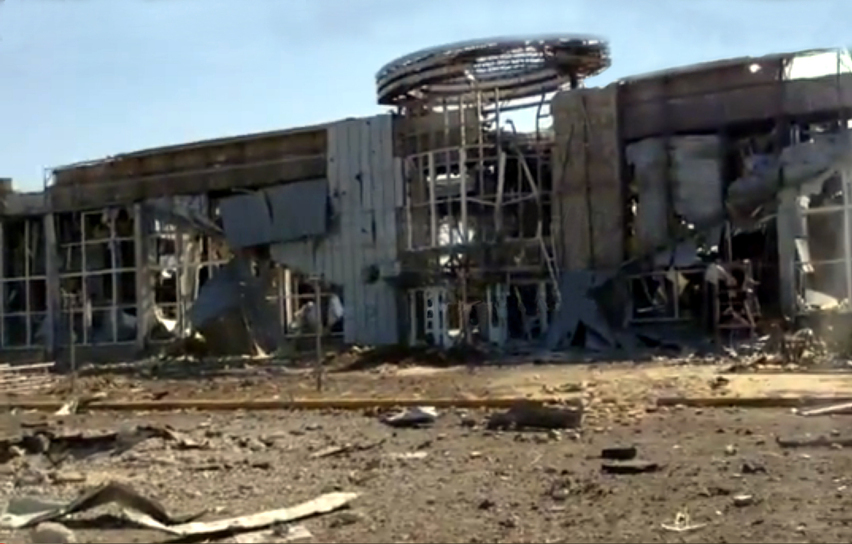
For 146 days, Ukrainian paratroopers defended that strategic site, even while completely surrounded. Since April 2014, they held the airport without any land connection, battling overwhelming Russian forces. In July, they managed to break the blockade briefly, but by August, they were encircled again. It wasn’t until the night of Sept. 1, 2014, that they finally withdrew, after nearly half a year of holding the ruins.
But that wasn’t just a military event. It’s a symbol. It embodies the spirit of Ukraine’s struggle.
Luhansk Oblast is also a land of talent and potential
This region, despite all its hardships, has produced some incredible people. Take Serhiy Zhadan, a modern Ukrainian poet and writer also rooted in Luhansk Oblast. He’s the voice of our generation, a household name in Ukraine. Even before the war, he spoke to the core issues of our society. Now, he’s become a beacon of justice.
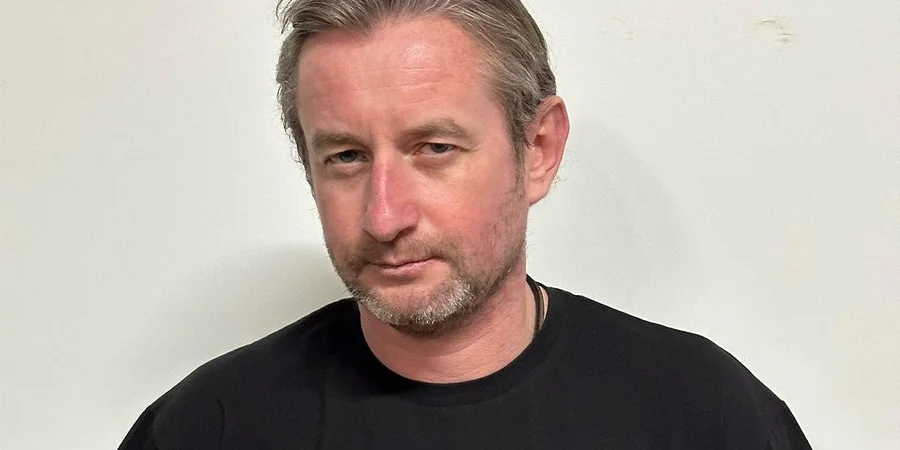
Or Anton Ptushkin is a Ukrainian TV host, traveler, and blogger, born in 1984 in Luhansk. He rose to fame through his travel content on YouTube and as a host of the travel show Oryol i Reshka. His videos are celebrated for their professional cinematography, engaging humor, and insightful explorations of different cultures and lifestyles, earning him recognition as one of Ukraine’s most prominent travel bloggers.
Marina Koshkina is a Ukrainian theater and film actress, known for her striking performances in movies and TV series. She gained popularity with her leading role in the film Forbidden (2019), where she portrayed the love interest of poet Vasyl Stus. Koshkina actively supports Ukrainian arts and social initiatives.
Lyubov Yakimchuk, a poet, journalist, and screenwriter, also hails from this land. Her work, particularly the acclaimed collection Apricots of Donbas, vividly explores themes of war and has gained recognition both in Ukraine and abroad.
These are just a few of the big names.
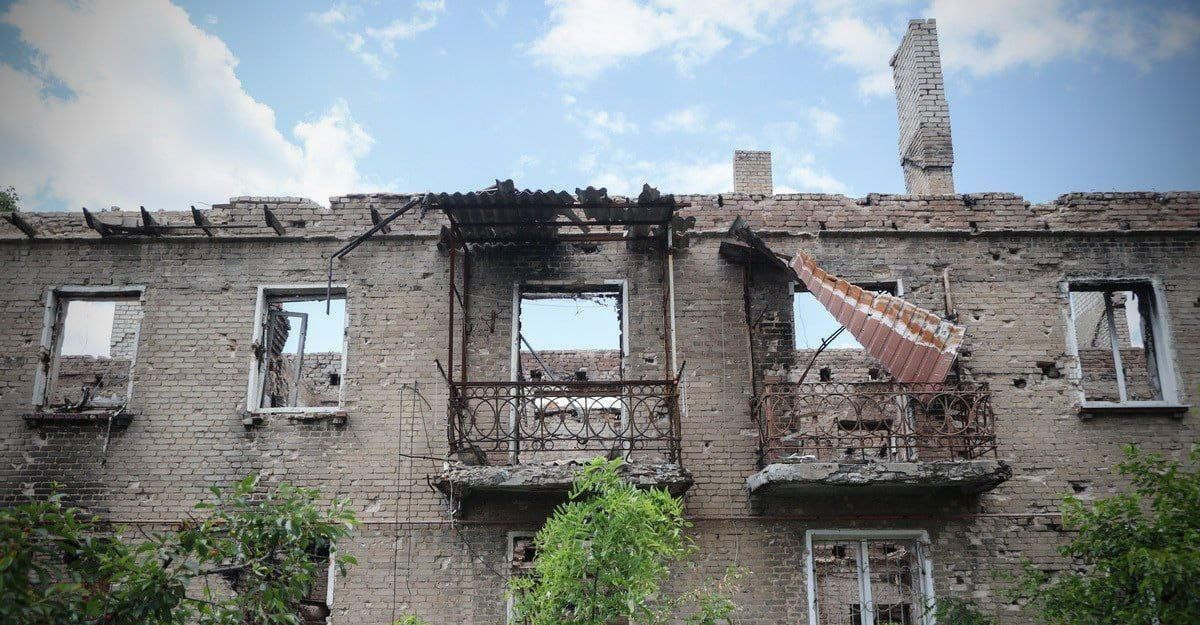
Luhansk Oblast isn’t just a geographical term. It’s a part of the soul for everyone who grew up there. It’s a place that carries our memories of what the war took from us and, simultaneously, a reminder of what can never be taken: our memories, our love, and the talents of people now spread across the world.
Reading Oleksandra’s message again, something warm stirred inside me. This is about restoring Luhansk Oblast’s voice.
Luhansk Oblast, a place that no longer exists.
The military war may be swinging in our favor, but the information war continues.
Just as an army needs soldiers, so does a free society need its journalists to ensure that people have access to honest, trustworthy voices to understand the world around them.
For the past five years, The New Voice of Ukraine has been working tirelessly to push back against Russian narratives and defend democracy. But we cannot do it alone.
Please consider supporting us on Patreon for just $5 a month – your donation does directly to supporting journalists and ensuring that this front of the infowar says solid and defended.
Thank you.
Follow us on Twitter, Facebook and Google News
