

Von der Leyen warns of rising Russian threats, calls for EU emergency security protocol
 Read NV on Google
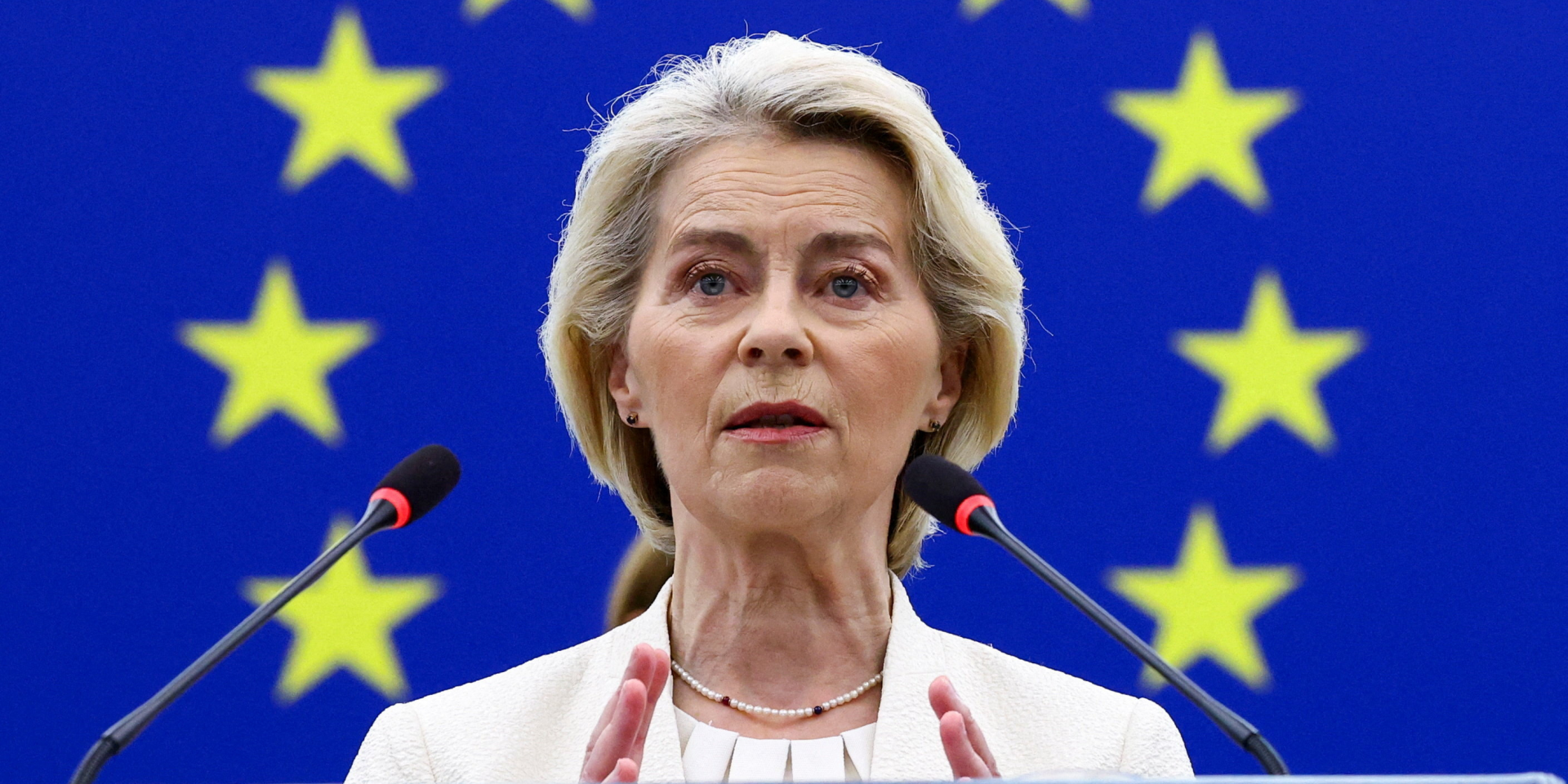
Von der Leyen warned of a rising threat from Russia (Photo: REUTERS/Yves Herman)
European Commission President Ursula von der Leyen called for the creation of a European Security Council and an “emergency security protocol” similar to NATO’s Article 4 during an address to the European Parliament, warning that threats from Russia within the European Union are intensifying, The Guardian reported on September 16.
Delivering her annual State of the Union address to the European Parliament’s plenary session, von der Leyen highlighted a recent wave of hostile Russian activity across Europe, explicitly pointing to a series of security incidents that occurred this week in Lithuania, Denmark, and Poland.
“Russia’s war of aggression on Ukraine rages on, and threats are mounting on our soil,” von der Leyen said. “We need to be clear about what this was: an attack using military-grade material carried out by Russian operatives on European soil. An attack not only on one member state, but against all of our union.”
She added that the “hybrid threats facing Europe are less and less hybrid and less and less threats.”
“Cyberattacks, sabotage, arson, drone incursions – they are ramping up every day,” she noted.
She added that the bloc must bolster its readiness, warning that existing systems were “made for a different world.” According to von der Leyen, the European Union needs a “counter-hybrid playbook,” as well as a clear understanding of how to respond to “certain incidents.”
Von der Leyen explicitly called for an “emergency security protocol” modeled after NATO’s Article 4 – which triggers formal consultations when a member’s security is threatened – rather than the collective defense mandate of Article 5.
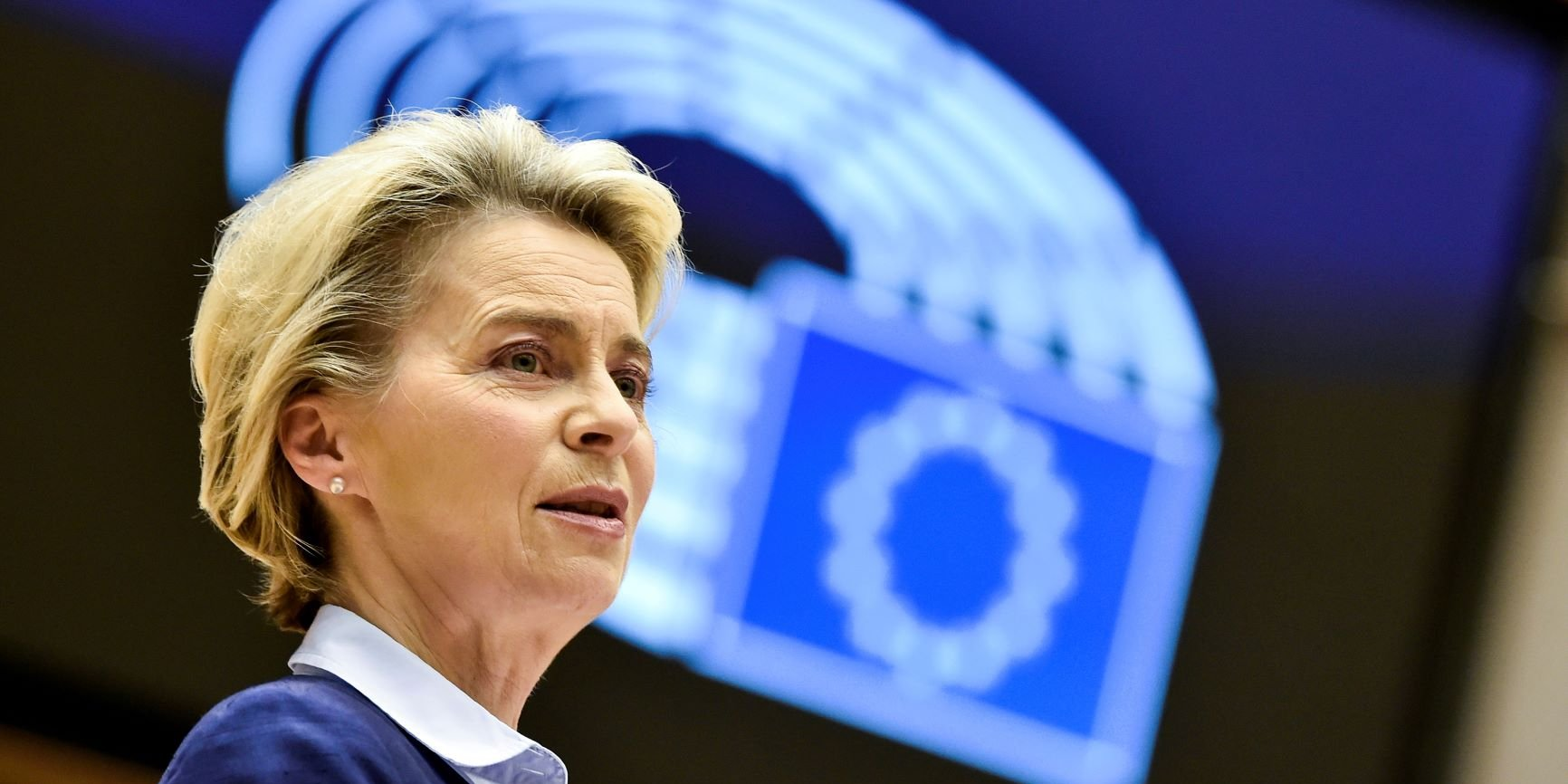
Under NATO Article 4, member nations will consult together whenever, in the opinion of any of them, the territorial integrity, political independence, or security of any member is threatened.
“When triggered by one member state, all member states should convene to coordinate a European response, to deter further escalation and to mitigate the impact,” the European Commission President said.
A Russian frigate fired two signal flares at a Danish military helicopter in international waters off Gedser on September 14. Head of counterintelligence at the Danish Security and Intelligence Service Emil Gresholm stated on September 3 that intelligence operatives uncovered concrete operational plans and preparatory actions orchestrated by Russian intelligence to conduct sabotage operations targeting Danish defense industrial facilities.
A Russian drone crashed in Lithuania on September 15 after crossing the border from Belarus, where explosives experts subsequently neutralized a bomb found on the aircraft, according to a report by LRT. Italian fighter jets stationed at the Šiauliai airbase shot down the drone over the Kaišiadorys district, near the critical Kruonis Pumped Storage Hydroelectric Plant.
The military war may be swinging in our favor, but the information war continues.
Just as an army needs soldiers, so does a free society need its journalists to ensure that people have access to honest, trustworthy voices to understand the world around them.
For the past five years, The New Voice of Ukraine has been working tirelessly to push back against Russian narratives and defend democracy. But we cannot do it alone.
Please consider supporting us on Patreon for just $5 a month – your donation does directly to supporting journalists and ensuring that this front of the infowar says solid and defended.
Thank you.
Follow us on Twitter, Facebook and Google News
