


Human rights activism in Ukraine’s war-affected towns — opinion
In the small town of Karlivka, located in northeastern Ukraine’s, Yelyzaveta Otlivanna coordinates services for people with disabilities. Her work addresses long-standing accessibility issues while responding to the increased needs caused by the full-scale Russian invasion.
Since the all-out-war began, Karlivka has become a refuge for internally displaced persons, placing additional strain on the community’s limited infrastructure.
“We’ve seen a significant increase in demand for support services,” Yelyzaveta says. “Before the 2022 invasion, we were focused on a smaller group of residents. Now, we’re trying to assist thousands, including many displaced families.”
Many more people now have a disability in Ukraine—many wounded civilians and soldiers settle in areas farther from the frontline and want to start new lives there. Together with the National Assembly of People with Disabilities of Ukraine, Yelyzaveta tries to fill some of the gaps in infrastructure, accessibility, and advocacy that have gotten worse as a result of the Russian war.
Yelyzaveta is 49. She’s been living with a disability since her early twenties after an accident made her rely on a wheelchair. Her personal experiences have shaped her approach to advocacy.
“I’ve faced these challenges myself, from inaccessible buildings to bureaucratic hurdles,” she said. “It’s not just about knowing what needs to be done—it’s about pushing until it happens.”
War, Disability, and Hope
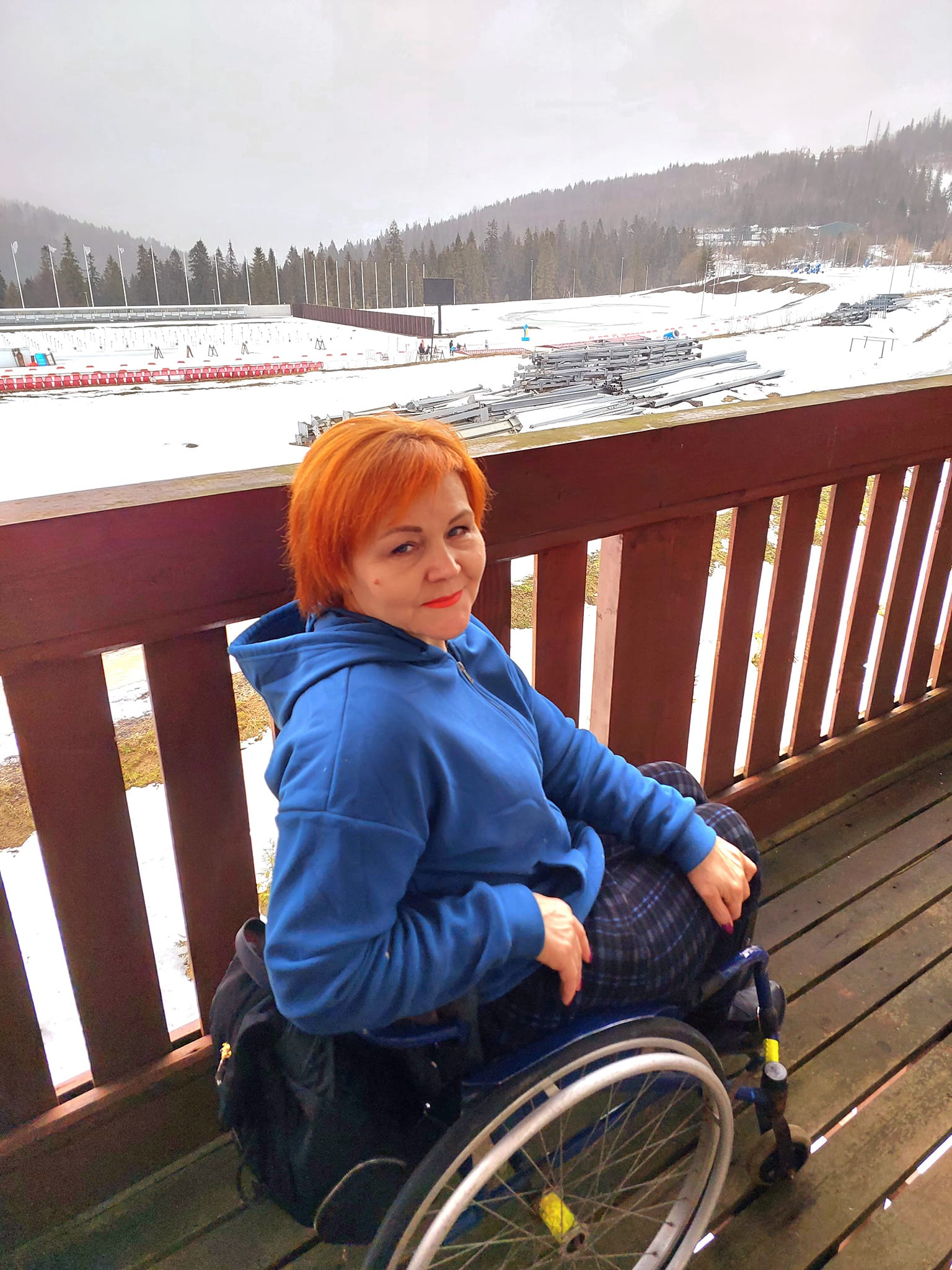
In Ukraine, nearly 10% of the population lives with some form of disability, according to pre-2022 data. The Russian war changed these statistics, as hundreds of thousands of Ukrainians became refugees in neighboring European countries, and many more people got a disability as a result of injuries and wounds from the war.
Karlivka, a calm and cozy town in Poltava Oblast, had its share of the war. Home to some 14,000 residents, it saw a dramatic exodus of people in early 2022 when Russia launched its full-scale war against Ukraine – and then, a steady return of those who left. Located far from major urban centers, Karlivka is considered safer than large cities and regional capitals, although the town is not safe from Russian air strikes.
Due to its relative safety, Karlivka and the surrounding villages also welcomed new residents—mostly Ukrainians fleeing from destroyed towns in the east, which are under Russian occupation. This influx of internally displaced people, war insecurity, and limited funding only contributed to the vulnerabilities of people with disabilities, as their needs were often overlooked due to the broader ongoing crisis.
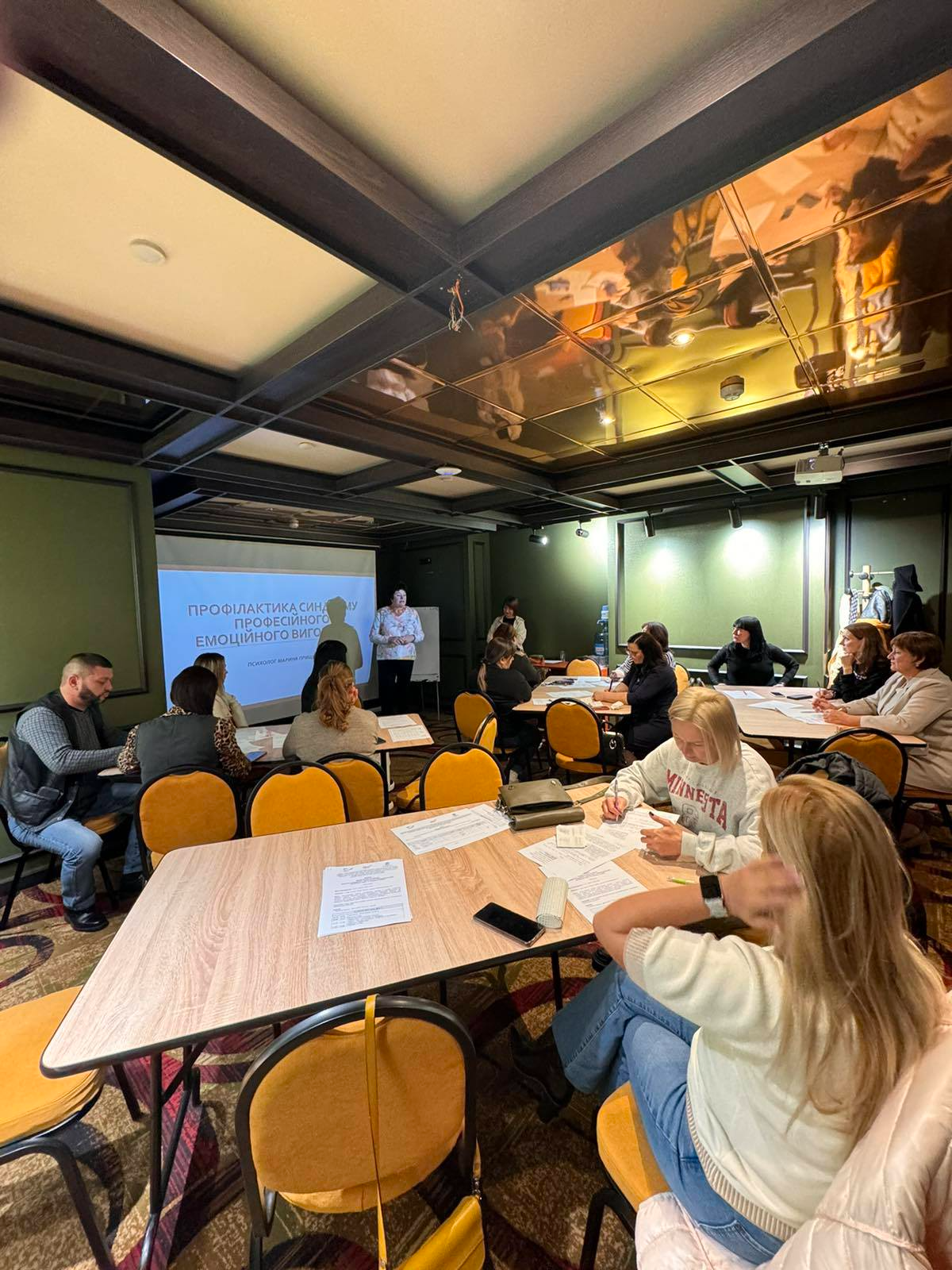
Yelyzaveta witnessed the war’s impact on people with disabilities firsthand as she was assisting those moving into Karlivka after leaving their homes in the most affected parts of the country.
“Families arrive here after losing everything”, she says, “We’ve had people who came with nothing, literally. When they come here, they need basic items like wheelchairs, but they also need housing and psychological support.”
“One mother came with her child who has cerebral palsy.” Yelyzaveta continues, “They fled Kharkiv with only a backpack. You can imagine how difficult it is for them to adapt and start from scratch, and what toll the war takes on people, especially people with disabilities.”
Together with the National Assembly, Yelyzaveta collaborates with international donors which provide thousands of assistive devices, emergency supplies, and financial support. Yet the needs outpace the resources.
“We have a database of over 6,000 individuals with disabilities in the region,” Yelyzaveta says, “We know what they need, but funding is always the bottleneck. And it pains me to be asking for help all the time because I would love for us to cover all these needs just by ourselves. But it is not possible now.”
Accessibility and Advocacy
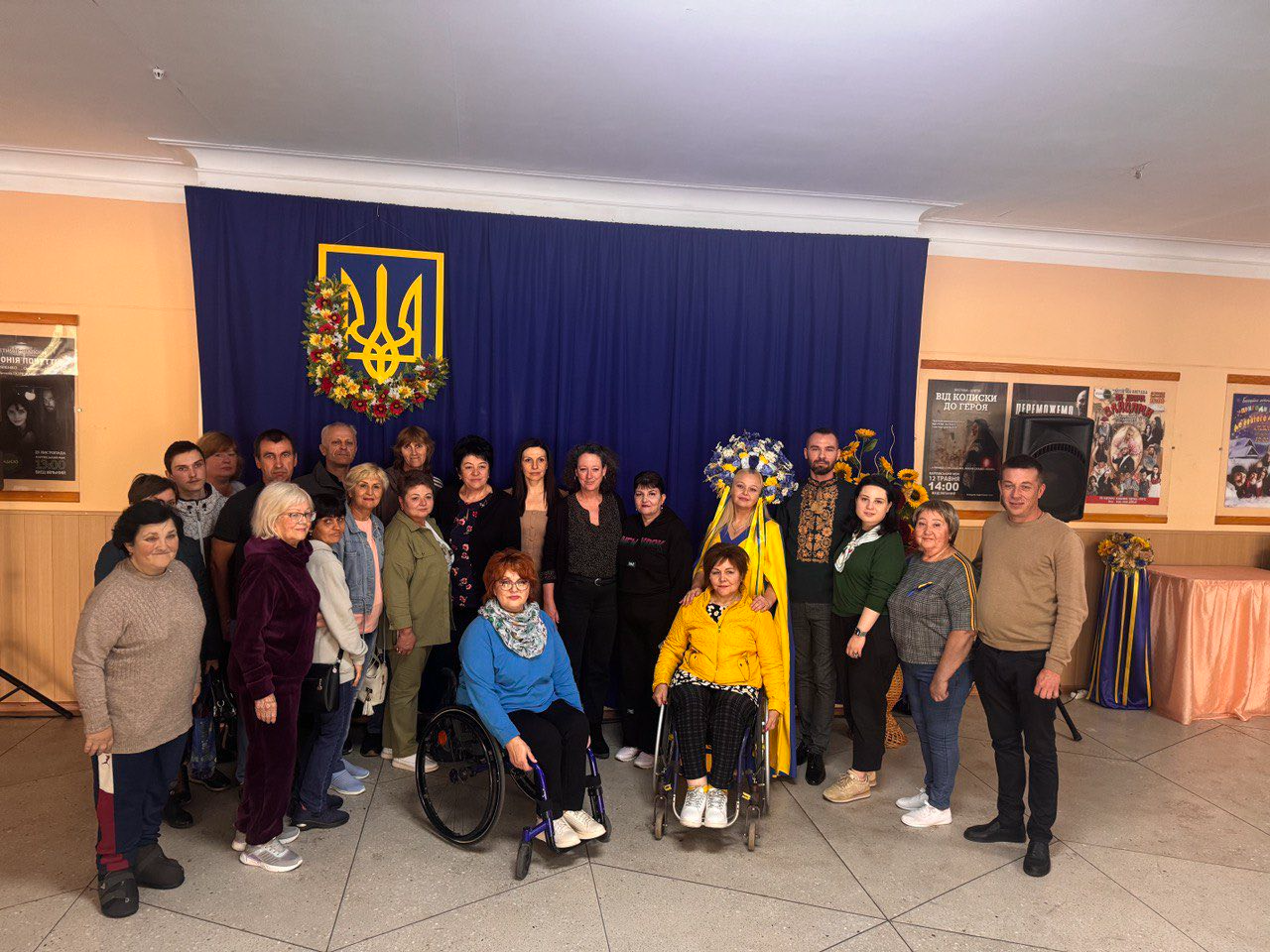
In her job, Yelyzaveta has distributed over 3,500 assistive devices, including wheelchairs, hearing aids, and walking aids, to people with disabilities across the Karlivka community.
“The biggest issue is transportation,” she explains, “In rural areas, there’s often no accessible buses, and the roads are in poor condition. This means that even a simple trip to a clinic becomes a major challenge. Those who cannot drive are often stranded at home, and this is a major issue. If you think of it, we shouldn’t be having these kinds of problems at all, but here we are.”
In addition to providing mobility equipment, her team has overseen the construction of accessibility features in public facilities. For example, a recently refurbished clinic in a nearby village now includes ramps, grab bars, and accessible restrooms.
“It’s not just about compliance,” Yelyzaveta explains, “It will also allow people to participate in their communities. We’re not asking for special treatment but merely for equal opportunities in different aspects of social life.”
Despite the progress, there are still challenges.
“People in rural areas often don’t know their rights,” the activist says, “I had to conduct awareness campaigns to explain what support is available and how to access it.”
Beyond immediate aid, Yelyzaveta has been advocating systemic changes, such as lobbying local authorities to prioritize accessibility in infrastructure projects. One notable success was ensuring that a polling station in Karlivka became wheelchair accessible.
“Voting is a fundamental right,” Yelyzaveta says, “Making polling stations accessible isn’t just about convenience; it’s about ensuring equal participation in democracy. Even though we can’t hold elections right now in Ukraine during the war, we have to plan ahead and think how people with mobility issues can participate in community decision-making.”
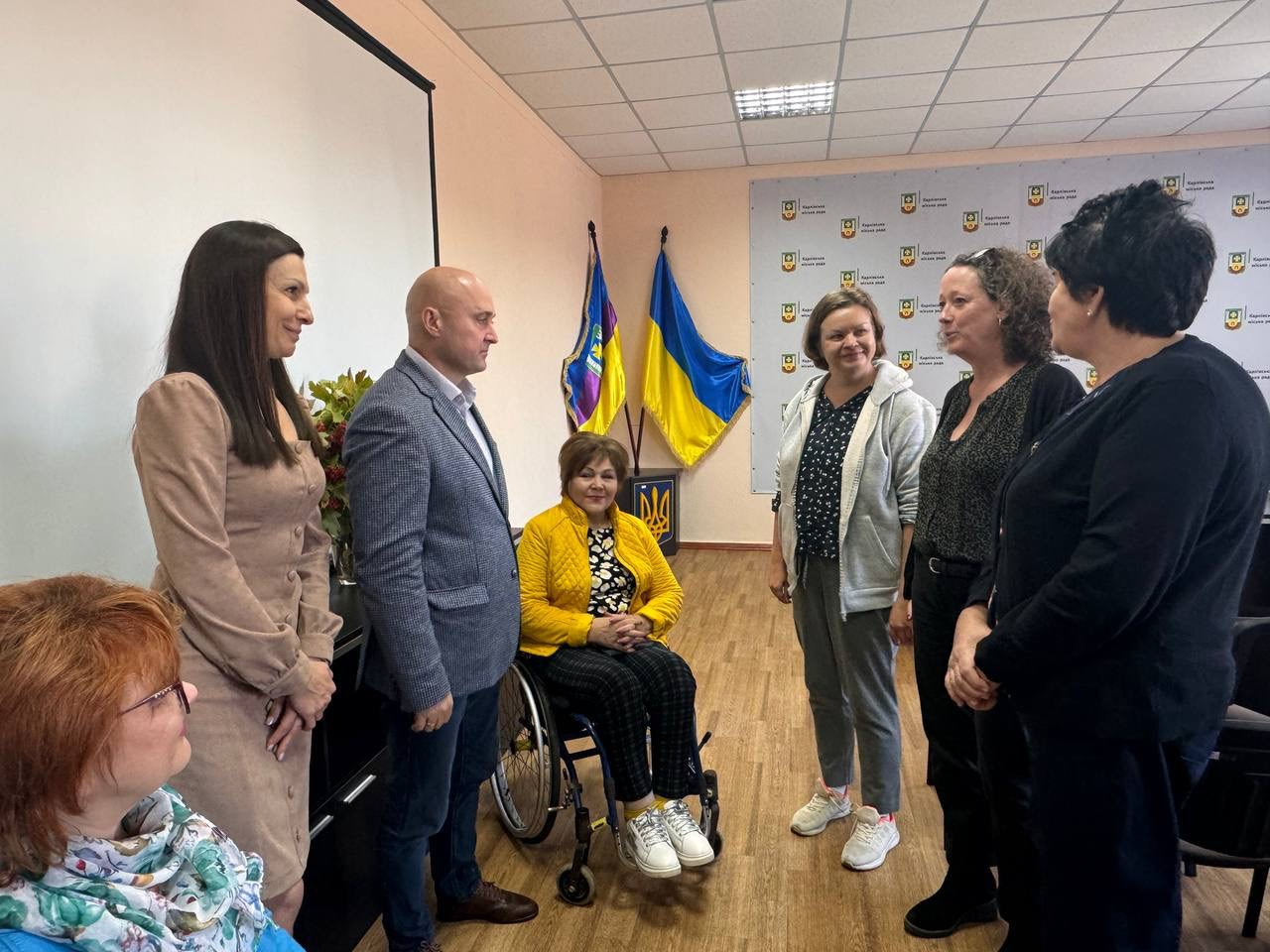
Social attitudes remain a barrier, however, despite all the advocacy that is being done.
“There’s still a belief that people with disabilities don’t need public spaces because they don’t leave their homes,” Yelyzaveta sighs, “We’re working to change that narrative. The worst thing is that it gets into the heads of the people with disabilities themselves, who don’t think they should advocate for themselves because they are asking too much. Again, it’s not a special treatment, but a chance to be empowered, especially for younger generations who can do better than us.”
Yelyzaveta is pushing for the inclusion of disability-focused policies in regional planning. For example, her team proposed a framework for accessible emergency evacuation protocols.
“Emergencies don’t wait for perfect plans. But having guidelines saves lives,” she notes, “We’ve seen that during the Russian full-scale war when people with disabilities from all over Ukraine could not be rescued in a timely manner and were left to themselves.”
Collaboration is at the heart of Yelyzaveta’s work as she relies on a network of volunteers, including teachers, village leaders, and local youth, to identify and support individuals in need.
“This is a community effort,” she says. “I couldn’t manage the scale of this work without their help. It’s not just about responding to immediate requests that may arise among people with disabilities—it’s also about building a long-term strategy to address these issues together with the community.”
Data collection is another key component. Yelyzaveta’s team has created a database of over 6,000 individuals with disabilities in the region, which helps her track their needs and allocate resources efficiently. As her work continues, the advocate remains focused on expanding her organization’s reach. She hopes to secure additional funding to address gaps in services and continue advocating for policy changes. Much of this work has been funded under a project called Empower Ukraine, which is funded through the German Foreign Federal Office and CBM, and European Disability Forum. These solutions work, but there is also a need for humanitarian organizations to involve people with disabilities more.
“There’s no quick fix,” she says. “But every accessible ramp, every mobility aid, every piece of education helps us move closer to a society that includes everyone.”
“What keeps me going is knowing that our work has a direct impact,” Yelyzaveta concludes. “Seeing someone gain independence, even in a small way, makes all the effort worthwhile.”
The military war may be swinging in our favor, but the information war continues.
Just as an army needs soldiers, so does a free society need its journalists to ensure that people have access to honest, trustworthy voices to understand the world around them.
For the past five years, The New Voice of Ukraine has been working tirelessly to push back against Russian narratives and defend democracy. But we cannot do it alone.
Please consider supporting us on Patreon for just $5 a month – your donation does directly to supporting journalists and ensuring that this front of the infowar says solid and defended.
Thank you.
Follow us on Twitter, Facebook and Google News
